
.jpg)
Dr. Justin Dearing
DC, DACNB, FIAMA, FAARM — Functional Neurology & Chiropractic Expert
The co-founder of The Dearing Clinic, Dr. Justin Dearing is a functional neurologist and chiropractor with 12 years of experience in observational diagnosis and treatment. After realizing that adjusting the spine as a standalone therapy was not enough to fully correct chronic problems that kept showing up in chiropractic practices, he refined evidence-based therapies and diversified his clinical strategic approach to provide the best possible experience for his patients.
“I’ve dedicated my life’s work to finding solutions for patients with difficult-to-solve health conditions and know that the foundation of health and longevity is truly simple: Regaining your health requires rebuilding and maintaining whole brain and body resilience.”
He holds a doctorate in chiropractic, a diplomate in clinical neurology, fellowships in acupuncture and restorative herbal medicine. This diversified multi-disciplinary background allows him to apply the best unique patient-focused combination of manual musculoskeletal, neurological, regenerative, and metabolic therapies. With a background in clinical Neurology, Traditional Chinese Medicine, and chiropractic care, his approach is to diagnose the whole person first, thus treating individual issues more effectively and efficiently.
Hightlights:
- Over 15 years in practics
- Diplomate of American Chiropractic Neurology Board, with further fellowship training in concussion/mTBI (mild traumatic brain injury) rehabilitation, movement disorders, and visuo-vestibular therapies. Carrick Institute for Graduate Studies 2014, 2018, 2020
- Fellowship with Association for the Advancement of Restorative Herbal Medicine, AARM 2020
- Fellowship with International Association of Medical Acupuncture, Western States University 2011
- Doctor of Chiropractic, Life University 2009
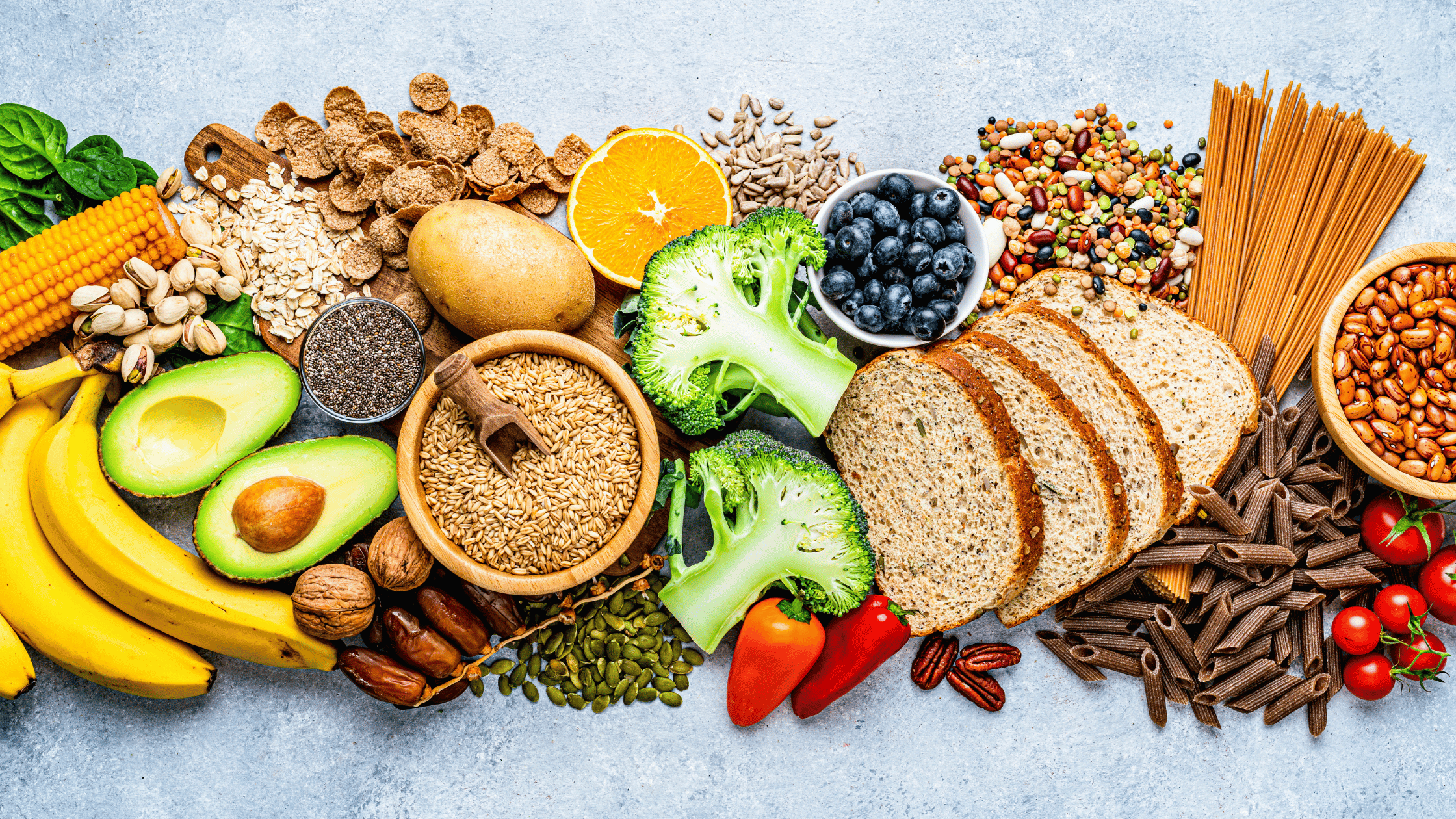
Gluten-Free and Fiber-Starved: What Your Gut and Brain Lose When Wheat Leaves Your Diet
Bacteria in your colon make the same calming chemical messenger your brain uses, help supply B vitamins, and send signals that reach the brain regions behind mood, focus, and drive. After 10 years and more than 500 gut tests, we have found that many people have quietly starved these bacteria by removing wheat from their diets.

How an Underfed Gut Ecosystem Can Show Up on a Brain Map
Even people who eat a healthy diet can end up with an underfed gut. When gut bacteria don't get enough plant fiber, the effects can reach the gut lining, the immune system, the skin, and the brain, and may show up as slowed activity on a brain map. Learn how it all connects and why rebuilding the gut step by step works better than cutting foods out for good.

Sauna and Cold Plunge for Tissue Congestion: Why Two Rounds Beat One
Feeling puffy, stiff, or heavy every morning with no clear cause? It's usually not water weight — it's fluid trapped in the space around your cells with nowhere to drain. This guide breaks down why that happens, and why running your sauna session in two rounds with a cold plunge in between clears it out far better than one long sit. Includes ready-to-use morning and evening protocols.

Ready to feel like yourself again?