
Your Pain Isn’t in the Tissue. It’s in the Map.
Chronic pain is often not a reflection of ongoing tissue damage, but a dysfunction in how the brain maps and processes the body. As the nervous system becomes sensitized, pain signals amplify and persist even without injury, driven by a degraded cortical map and dysregulated brain–body communication. Neuro-orthopedic rehabilitation restores this map through precise, intentional movement and neurological retraining, while regenerative medicine addresses lingering tissue dysfunction. Together, these approaches break the chronic pain cycle by targeting both the central nervous system and peripheral inputs.


Your Pain Isn’t in the Tissue. It’s in the Map.
Key Points
- Chronic pain is often driven by central sensitization, not ongoing injury
- The brain’s cortical map degrades, distorting how the body is perceived
- Symptoms like allodynia and persistent pain reflect a sensitized nervous system
- Skilled, intentional movement is essential to rebuild accurate brain–body mapping
- Passive treatments alone don’t resolve chronic pain because they don’t retrain the brain
- Neuro-orthopedic rehabilitation restores coordination through targeted neurological inputs
- Regenerative medicine supports healing by improving tissue health and reducing peripheral signals
- Combining neurological and tissue-based care addresses the full pain loop, not just symptoms
Why chronic pain is a brain–body disconnect — and why neuro-orthopedic rehabilitation paired with regenerative medicine is what finally breaks the cycle.
If you’re living with chronic pain — back, neck, joints, headaches, burning nerve pain, or something diffuse that no scan can pin down — you’ve probably been told some version of the same thing: “The tissue looks fine.”
Maybe it does. But here’s what that explanation misses: chronic pain usually isn’t a tissue problem anymore. It’s a map problem.
Chronic Pain Is a Different Circuit
Acute pain works. You roll an ankle, it hurts, it heals, the pain fades. Chronic pain is different. It’s no longer reporting damage — it’s generating pain on its own. Two fingerprints give it away:
- Allodynia. A bedsheet, a breeze, or a t-shirt starts to hurt. The nervous system has turned the volume up so high that safe input reads as threat.
- C-fiber wind-up. C fibers are the slow nerves that carry dull, burning, aching pain. When they fire repeatedly, the pain-processing neurons in the spinal cord become easier and easier to fire. The threshold drops. Pain stops needing an injury.
This is central sensitization — and it drags the rest of the body with it. Cortisol rises, the autonomic nervous system dysregulates, inflammation climbs, and the brain’s own pain-suppression pathways weaken. That’s why chronic pain so often travels with brain fog, poor sleep, anxiety, and fatigue. Same loop, different systems.
The Part Most Explanations Skip: The Cortical Map
Your brain holds a detailed internal map of your body. Every joint, muscle, and patch of skin has a corresponding territory in the sensory and motor cortex. When that map is sharp and well-populated, the brain knows where you are and what you’re doing. Movement feels easy. Pain stays well-regulated.
When pain becomes chronic, something specific happens to that map: it degrades. The representation of the painful area gets smudged, shrunken, or overlapped with neighboring regions. The brain stops receiving clear signals from that part of the body and starts filling in the gaps with threat.
This is the reframe that changes treatment. Chronic lumbar pain is not purely a disc problem. Chronic knee pain is not purely a cartilage problem. It’s also — often predominantly — a degraded cortical map, a sensitized loop, and a nervous system that’s lost track of where the body ends and the threat begins.
Why Skilled Movement Beats Pain
Here’s the part I wish every chronic pain patient understood early: precise, graded, attention-anchored movement is one of the most powerful interventions we have — because it is the only thing that directly rebuilds the cortical map.
When you move a joint with clear intention, you send a flood of proprioceptive signals into the brain: position, pressure, velocity, load. Those signals compete directly with nociceptive pain signals at the spinal cord and in central processing. This is real, measurable gating — clean movement input literally interferes with pain transmission.
More importantly, repeated quality movement re-populates the degraded map. It tells the brain, over and over, “This area is here. This is what it feels like. This is safe.” Over time the map sharpens. The loop quiets. Pain thresholds rise. The body reconnects with the brain.
This is why passive treatments alone — injections, massage, ultrasound — have limits in chronic pain. They can reduce input, but they don’t rebuild the map. Only movement does that, and only if it’s skilled.
Thrashing through a workout while dissociated from the painful area doesn’t rewire anything. Slow, deliberate, attention-anchored movement does. That’s the work neuro-orthopedic rehabilitation is built around.
Neuro-Orthopedic Rehabilitation
This is where our approach diverges from the standard PT office, the chiropractor, and the pain clinic. Each does good work on what it’s aimed at — but each is usually aimed at one input: the joint, the muscle, the adjustment, the stretch, the injection. They address the structure without rebuilding the brain that’s processing it.
Neuro-orthopedic rehabilitation does both. It uses three integrated pillars to restore brain–body coordination at the root of chronic pain.
Functional Neurology
Systematic use of sensory and motor inputs — targeted proprioceptive drills, postural integration, breathing retraining, and spinal rehabilitation — to restore coordination between brain, spinal cord, and body. Each input is chosen for the signal it sends back into the nervous system, not just the muscle it’s working. When structural dysfunction is feeding the loop, hands-on work quiets that input and sharpens the signal going up to the brain.
Visual and Vestibular Rehabilitation
Eye movement and vestibular training that sharpen spatial orientation and quiet threat detection. In chronic pain the visual and vestibular systems are almost always involved — the brain cannot regulate pain well when it’s uncertain about where the body is in space. Restoring these systems often reduces pain directly, and it’s a piece of the puzzle most pain clinics and PT offices don’t assess at all.
Neurofeedback
Real-time training of the brain’s own electrical activity. In chronic pain, specific networks stay hyperactive while the pain-suppression pathways weaken. Neurofeedback — particularly ISF (infra-slow fluctuation) protocols — trains those networks to regulate themselves again. Patients typically notice reduced pain intensity, less reactivity to stress, better sleep, and improved focus. Not because pain was masked, but because the central circuit was retrained.
Each pillar sends specific signals to specific regions. Done in the right sequence, they restore the coherent brain–body communication that chronic pain disrupts. The goal is not to chase the pain. The goal is to rebuild the system that used to regulate it.
Regenerative Medicine: Quieting the Peripheral Signal
Addressing the neurology doesn’t mean ignoring the tissue. In many chronic pain cases there is still a real peripheral signal coming from somewhere — a degenerated joint, scar tissue, an unhealed ligament, a hypoxic or chronically inflamed area. That tissue feeds the loop.
This is where regenerative therapies earn their place.
Prolozone
Ozone combined with targeted nutrients, delivered directly into damaged tissue. The goal isn’t to block pain. It’s to restore the oxygen and metabolic environment the tissue needs to complete its own repair. When the tissue heals, the input quiets. When the input quiets, the loop loses its fuel.
Hyperbaric Oxygen (HBOT)
Drives oxygen into hypoxic tissue at the cellular level, reduces neuroinflammation, and supports mitochondrial recovery in both peripheral tissue and central nervous system structures. Particularly helpful when the loop is being sustained by low-grade inflammation.
IV Nutrient Protocols
Sodium ascorbate, mitochondrial cofactors, and anti-inflammatory compounds delivered at therapeutic concentrations. In our experience, tissue integrates regenerative work faster and more completely when the terrain is prepared first.
Why This Combination Works
Most chronic pain care gets stuck on one side of the loop. Pain clinics address the signal. Standard PT and chiropractic address the structure. Injections address the inflammation. Each can help for a while — but none of them rebuilds the cortical map, and none of them restores the loop that governs it. That’s what sets our approach apart.
Neuro-orthopedic rehabilitation paired with regenerative medicine addresses both ends of the pain loop at once:
- Neuro-orthopedic rehabilitation — functional neurology, visual and vestibular work, and neurofeedback — quiets the central loop and rebuilds the cortical map.
- Regenerative medicine — prolozone, HBOT, and IV nutrient support — repairs the peripheral tissue so the loop loses its fuel.
- Autonomic retraining — breathing work and HRV-guided protocols — interrupts the stress-inflammation cycle feeding the loop from the background.
When these pieces work together in the right sequence, the pattern shifts. Not because pain was suppressed, but because the nervous system finally had the information and the conditions it needed to turn its own volume back down. That’s functional neurological balance being restored.
Is This the Right Approach for You?
This approach tends to fit people who:
- Have been told imaging looks fine but live with daily pain
- Notice that light touch, normal movement, or mild stress flares the pain
- Have tried injections, medications, or surgeries without lasting relief
- Have pain alongside brain fog, fatigue, disrupted sleep, or anxiety
- Want to understand what’s actually driving their pain — not just manage symptoms
Every plan at The Dearing Clinic starts the same way: we measure what’s actually happening in your system. qEEG brain mapping, autonomic testing, metabolic breath analysis, vestibular and proprioceptive assessment. From there we build the sequence your nervous system and your tissue actually need.
Chronic pain is reversible more often than most people are told. But it doesn’t respond to fragmented care. It responds when the brain, the body, and the tissue are all addressed together.
Book a New Patient Consultation-
We’ll review your history, discuss which systems are likely driving your pain, and map out a data-guided path forward for your specific physiology.
Individual results may vary. The information in this article is for educational purposes and does not constitute medical advice. Consult a qualified healthcare provider before making changes to your health plan.
FAQs
1. If my imaging is normal, why am I still in pain?
Because chronic pain often comes from changes in the nervous system, not visible tissue damage. The brain can continue generating pain even after tissues heal.
2. What is central sensitization?
It’s a condition where the nervous system becomes hypersensitive, amplifying pain signals and lowering the threshold for what triggers pain.
3. What does it mean that pain is a “map problem”?
The brain maintains a map of your body. In chronic pain, that map becomes distorted, leading to inaccurate signaling and persistent pain.
4. How does movement help reduce pain?
Precise, controlled movement sends accurate sensory input to the brain, helping rebuild the cortical map and reduce pain signaling.
5. Why don’t injections or medications fix chronic pain long-term?
They may reduce symptoms temporarily but don’t retrain the brain or restore proper nervous system function.
6. What is neuro-orthopedic rehabilitation?
It’s an approach that combines functional neurology, movement therapy, and sensory retraining to restore brain–body communication.
7. How does regenerative medicine fit into treatment?
It supports healing in damaged or inflamed tissues, reducing the peripheral signals that feed the chronic pain loop.
8. Is chronic pain actually reversible?
In many cases, yes—especially when both the nervous system and tissue health are addressed together.
9. How long does it take to see results?
It varies depending on the individual, but many patients notice changes as the nervous system begins to regulate and movement improves.
10. Who is this approach best suited for?
People with persistent pain, normal or inconclusive imaging, sensitivity to touch or movement, and those who haven’t found lasting relief from conventional treatments.
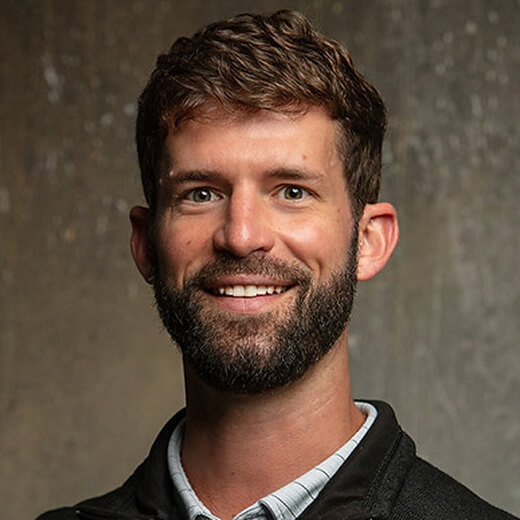
Dr. Justin Dearing
Ready to feel like you again?
* Your next step toward feeling better starts today. At The Dearing Clinic we make it simple to get started with care that truly fits your life. Book your visit now and let’s design a plan that restores your energy, relieves your pain, and helps you enjoy more of what matters most.