
What Separates a Good Athlete from a Great One
Youth athletic performance is driven by nervous system development, not just physical training. Proper nutrition, recovery, sleep, and autonomic balance (HRV) determine how well the brain and body adapt, learn, and perform. Supporting these systems is what separates good athletes from great ones.
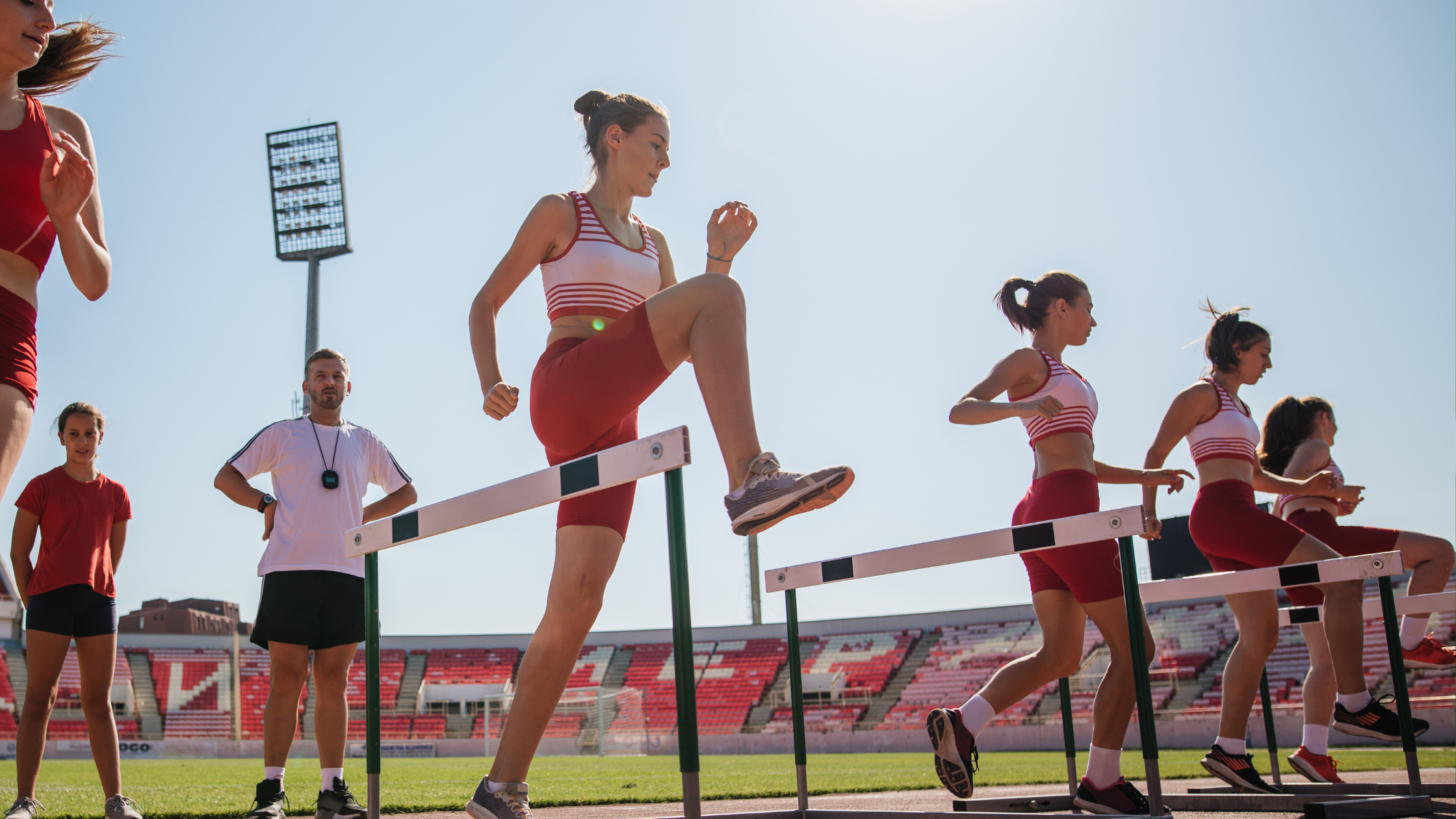

What Separates a Good Athlete from a Great One
Why Every Practice and Every Game Either Builds Your Kid’s Brain—or Breaks It
By Dr. Justin Dearing | The Dearing Clinic | Franklin, Tennessee
Key Points
- Athletic performance in kids (ages 10–18) is primarily driven by nervous system development, not just strength or conditioning.
- The cerebellum plays a critical role in coordination, reaction time, focus, and emotional control under pressure.
- Every practice and game is a neurological learning event where the brain is actively wiring new patterns.
- Myelination (nerve insulation) is essential for faster reaction time and improved performance—and requires proper nutrients.
- Poor nutrition during recovery (processed sugar, dyes, additives) leads to inflammation, blood sugar crashes, and impaired brain function.
- Amino acids, omega-3s, magnesium, zinc, and vitamin D are key nutrients for brain development and recovery.
- HRV and autonomic nervous system function determine how well an athlete adapts, recovers, and handles stress.
- Sleep is the most critical recovery window, where growth hormone release and motor learning consolidationoccur.
- Clean hydration with electrolytes (not sports drinks) supports muscle function and nerve signaling.
- Long-term athletic success depends on supporting foundational systems: nervous system, metabolism, and recovery—not just more reps or training.
We were at a weekend baseball tournament a few weeks ago. Between games, the team mom from the other dugout opened a cooler and started handing out Airheads, Little Debbie snack cakes, and blue Gatorade. The boys crushed them. Thirty minutes later they were back on the field for a second game.
I cringed. Not because I’m judgmental about what other families feed their kids. I cringed because I know what’s happening inside those kids’ bodies during that exact window and what they’re losing.
Between ages 10 and 18, your child’s nervous system is in the most significant developmental window it will ever experience. Every practice, every game, every sprint is a neurological learning event. The brain is literally wiring itself around those experiences—building the coordination, the reaction time, the composure under pressure that separates a good athlete from a great one.
Whether that wiring actually happens depends on what’s available in the system when the brain tries to consolidate the learning. Feed it inflammatory junk during the recovery window and the brain can’t do its job. Feed it what it needs and the wiring locks in.
Every practice builds or breaks. The food and the support you put around it are the variables most parents can control—and the ones most parents get wrong.
What’s Actually Happening in Your Kid’s Body Right Now
Between ages 10 and 18, growth plates are active, hormones are shifting, and muscle and bone are responding to training stimulus. But the system that matters most for athletic development is the one no one talks about: the cerebellum.
Most people think of the cerebellum as the “balance center.” That’s a fraction of what it does. The cerebellum coordinates movement timing, reaction speed, motor learning, and—critically—it coordinates the output of the frontal lobe. That means focus under pressure. Composure after a bad play. The ability to process a coach’s adjustment in real time and execute it on the next rep.
The kid who melts down after a strikeout and the kid who shakes it off and adjusts his stance—part of that difference is cerebellar-to-frontal-lobe coordination. That coordination is being built right now through two things: diverse movement patterns and the raw nutritional substrate the nervous system needs to myelinate and recover.
Myelination is the process of insulating nerve pathways so signals travel faster and more reliably. Think of it as upgrading from a dirt road to a highway. It requires amino acids, omega-3 fatty acids, magnesium, zinc, and adequate vitamin D. If those aren’t available when the brain is trying to lay down new wiring after practice, the learning from that session is partially lost.
This is why nutrition for a student athlete isn’t just about energy and muscle recovery. It’s about giving the nervous system what it needs to actually learn from what the body just did.
Why the Tournament Cooler Matters More Than You Think
When a kid eats processed sugar and artificial ingredients between games, here’s what happens in the next 60 to 90 minutes:
- Blood sugar spikes hard, then crashes. The crash shows up as fatigue, poor focus, and slower reaction time—right when they need to perform again.
- Inflammatory signaling increases. The immune system responds to processed food as a low-grade stressor, competing directly with the recovery processes the body is trying to run.
- Gut function gets disrupted. The gut lining is sensitive to artificial dyes, preservatives, and high-fructose corn syrup. A disrupted gut means poor absorption of everything else for the next 12 hours.
- The nervous system gets taxed instead of supported. Instead of consolidating motor learning from the last game, the brain is dealing with metabolic noise.
During the recovery window between athletic events, you’re either supporting the system or taxing it. There is no neutral. That cooler full of Airheads is actively working against everything the coach just spent two hours trying to build.
The Pre-Game Plan: Night Before and Morning Of
The Night Before
Dinner should be anti-inflammatory, nutrient-dense, and built around slow-release fuel:
- Protein: Salmon, chicken thighs, or grass-fed beef—amino acids for tissue repair and neurotransmitter production overnight.
- Complex carbohydrates: Sweet potato, quinoa, or rice—glycogen replenishment without a blood sugar spike.
- Vegetables: Roasted broccoli, leafy greens, or bell peppers—magnesium-rich greens support sleep and nervous system recovery.
- Healthy fat: Avocado, olive oil, or nuts—supports myelination and regulates the inflammatory response.
No experimental meals the night before a tournament. Keep it familiar, keep it clean.
Morning Of
The goal is stable blood sugar for the next four to five hours:
- Eggs with avocado—protein and fat to anchor blood sugar.
- Oatmeal or sourdough toast with almond butter—slow-release carbohydrates.
- Berries—antioxidants without the inflammatory hit of processed alternatives.
- Water with mineral salt—hydration strategy starts here, not at the field.
What goes in at 7 AM determines how the nervous system performs at noon.
Hydration: The Silent Performance Killer
Your child’s brain is roughly 75% water. When hydration drops even 2%, the first thing to suffer isn’t muscle. It’s the nervous system’s ability to coordinate. Reaction time slows. Focus drifts. Composure cracks. The cerebellar output we’ve been talking about—the thing that separates a composed athlete from a reactive one—depends on adequate hydration to function.
Most kids show up to practice already behind on fluid intake. They drank juice or milk at breakfast, nothing between school and warmups, and now they’re expected to perform at a high level while their nervous system is running on a deficit. By the time they feel thirsty, cognitive processing speed has already dropped.
Hydration is not a game-day strategy. It’s a daily discipline. Water throughout the day, every day—not just when it’s hot, not just during competition. On training days and tournament days, add a clean electrolyte formula with sodium as the primary ingredient, plus potassium and magnesium. No artificial dyes. No artificial sweeteners. Mix it in water before, during, and after practice. This is the single easiest intervention that makes the biggest immediate difference in how a young athlete feels and performs in the second half of a long day.
The Student Athlete Daily Protocol
This isn’t a generic supplement list. It’s a daily support system designed around when the body needs specific things and why. Every item ties back to the same principle: give the developing nervous system what it needs to build, recover, and refine.
Morning: Build the Foundation
Essential Amino Acids (EAAs)
This is the one most parents miss. If your kid is a picky eater, or if their diet leans heavily toward carbohydrates, they are almost certainly not getting adequate amino acids from food alone.
Amino acids are not just “protein for muscles.” They are the building blocks of neurotransmitters—the chemical signals your child’s brain uses to focus, regulate mood, manage stress, and consolidate learning. They maintain the gut lining where nutrient absorption happens. They repair tissue after every practice. Without adequate EAAs, the entire system runs on a deficit.
When we talk about the brain needing raw materials to wire around a learning experience, this is what we mean. Amino acids are the substrate. Without them, the brain has the stimulus from practice but not the materials to build from it. Take them in the morning or before practice so they’re circulating when the body needs them.
Vitamin D3 + K2
D3 is essential for immune stability, mood regulation, and growth plate development. The K2 is the piece almost everyone leaves out—it directs calcium into bones where it belongs and keeps it out of soft tissue where it doesn’t. Without K2, vitamin D can’t do its job properly. If you want to maximize your child’s growth potential and keep their immune system stable through a demanding training season, this combination is foundational.
Take it in the morning with food that contains fat—both are fat-soluble. Most kids in the Southeast are still deficient despite the sun. If you can test levels, do it.
During the Day and Around Training
Electrolytes
This replaces the Gatorade. Your child loses sodium, potassium, and magnesium through sweat—minerals essential for muscle contraction, nerve signaling, and preventing the fatigue and cramping that derail second-half performance.
Look for a clean formula with sodium as the primary ingredient, plus potassium and magnesium. No artificial dyes or sweeteners. Mix it in water before, during, or after practice. This is not optional on training days.
Creatine: The Conversation Parents Need to Have
Creatine monohydrate is the most studied sports supplement in existence. In adults, the evidence for safety and efficacy is overwhelming—it improves muscle energy availability, supports sprint performance, and may accelerate recovery. Emerging research also suggests cognitive benefits through brain energy metabolism.
In younger athletes, the research is thinner. We consider creatine an optional, advanced add-on that only enters the picture when nutrition, sleep, and hydration are already solid. Fix the base first.
If the foundations are strong: 2 to 3 grams daily with a meal, no loading phase. Emphasize daily hydration—creatine draws water into muscle cells. Monitor for GI discomfort. Consider cycling 8 to 12 weeks on, then a break. Not essential at this age, but a tool worth understanding if you’re working with a clinician.
Evening and Bedtime: Recover and Build
Everything that happened on the field created a stimulus. The actual adaptation happens overnight. Growth hormone pulses during deep sleep. The cerebellum consolidates motor learning. Tissue repairs. If the evening routine supports this process, the return on the day’s training multiplies. If it doesn’t, the investment is partially wasted.
NeuroMag (Magnesium L-Threonate)
This is not just magnesium. Magnesium L-threonate crosses the blood-brain barrier more effectively than other forms, reaching the brain directly. For a developing athlete, this means support for deep sleep architecture (where growth hormone releases and motor learning consolidates), cognitive recovery, and the neurological calming that shifts the nervous system from performance mode into repair mode. Take it at bedtime.
Peptide Support: BPC-157 + TB4 Fragment
This is the clinical-level piece. BPC-157 and TB4 Fragment are peptides that support tissue repair, soft tissue healing, and inflammation resolution at the cellular level. For young athletes dealing with repetitive stress on tendons, joints, and soft tissue, peptide support can be meaningful. BPC-157 has also shown promise for gut lining repair, connecting directly to nutrient absorption and immune function.
An important note: research in pediatric populations is limited. This is not an over-the-counter recommendation. Peptide support for a developing athlete should be clinician-guided, dosed appropriately, and monitored. If you want to explore recovery support beyond the basics, this is where working with a clinic that understands both athletic and neurological demands becomes important.
The Daily Flow
- Morning: Essential amino acids + vitamin D3/K2 with breakfast.
- Before and during practice: Clean electrolytes in water.
- Post-practice: Creatine with a meal, if using. Anti-inflammatory real food.
- Bedtime: NeuroMag for brain-specific recovery. Peptide support if clinician-guided.
Build in the morning, fuel during the work, recover at night.
A few non-negotiables around sleep: blue light off at least 60 minutes before bed on training nights. Cool room—65 to 68 degrees. Dinner built around anti-inflammatory protein (salmon is ideal for the omega-3 content), complex carbs to refuel glycogen, bone broth if tolerated, and tart cherry or pomegranate juice for recovery.
Every parent obsesses over practice reps and game performance. Very few pay attention to the overnight window where the brain actually consolidates the learning from those reps. Growth hormone pulses during deep sleep stages. The cerebellum locks in the motor patterns it practiced during the day. If your kid is on a screen until midnight after a tournament, they’re cutting the single most productive recovery window in the 24-hour cycle. Sleep is not downtime. Sleep is when the investment from the day’s training pays its dividend.
Between Games: The Tournament Bag
The cooler replacement guide:
- Turkey and avocado wraps on sourdough or grain-free tortillas—protein plus fat plus slow carbs.
- Banana with almond butter—potassium for muscle function, fat and protein to stabilize blood sugar.
- Dates with sea salt—natural sugar with minerals, fast energy without the inflammatory load of processed candy.
- Tart cherry juice in a small bottle—anthocyanins reduce exercise-induced inflammation faster than most supplements.
- Clean electrolyte packets mixed in water—replaces the Gatorade entirely.
- Amino acid powder mixed in water between games if meals aren’t practical—keeps the neurotransmitter and tissue repair pipeline supplied.
Replenish glycogen, reduce inflammatory signaling, give the nervous system what it needs to recalibrate before the next game. Simple and intentional.
Building an Athlete Who Lasts
The parents reading this want their kid to be faster, stronger, more competitive. I understand that. But the real message is bigger than the next tournament.
The athletes who sustain performance, avoid injury, and develop the composure that coaches notice are the ones whose foundational systems—nervous system, metabolic function, sleep architecture—were supported during the developmental window. Speed and agility aren’t just trained. They’re built on a substrate of neurological coordination, and that coordination requires raw materials.
Every practice is a learning event. Every game is a calibration opportunity. The brain is trying to refine and wire around those experiences in real time. What you feed your kid—and what you supplement aroundtraining—determines whether their nervous system can actually do that work.
This isn’t about being a perfect parent or having a perfect cooler. It’s about understanding that athletic development is neurological development—and making informed choices about what supports it.
Start tonight. The next tournament cooler can look different. The morning routine can include the right building blocks. The bedtime protocol can support what the brain is trying to build. Small shifts, applied consistently, during a window that doesn’t stay open forever.
Your kid’s brain is building right now. What you put in the system determines what it can build.
Want to Go Deeper?
At The Dearing Clinic, we measure the systems that drive athletic and neurological development—brain mapping, metabolic testing, autonomic function, and nutritional status. If you want to know exactly where your student athlete stands, schedule a Neuro-New Patient Consultation. We’ll show you what the standard sports physical misses.
For athletes dealing with persistent fatigue, slow recovery, recurrent soft tissue injuries, or performance plateaus that don’t respond to more training—the answer is almost always in the systems no one is measuring.
FAQs
1. What separates a good athlete from a great one?
It’s not just skill or effort—it’s how well the nervous system develops, adapts, and recovers between training sessions.
2. Why is nutrition so important for student athletes?
Nutrition provides the raw materials the brain and body need to repair, recover, and build new neural pathways after training.
3. What happens when kids eat junk food between games?
It causes blood sugar crashes, increases inflammation, disrupts gut function, and reduces focus and reaction time.
4. What is myelination and why does it matter in sports?
Myelination strengthens nerve pathways, allowing faster and more efficient communication between the brain and body.
5. How does the cerebellum impact athletic performance?
It controls coordination, timing, balance, and even emotional regulation during high-pressure moments.
6. What is HRV and why does it matter for athletes?
Heart Rate Variability (HRV) measures autonomic nervous system function and shows how well an athlete can recover and adapt to stress.
7. What should student athletes eat before competition?
A balance of protein, healthy fats, and slow-release carbohydrates to maintain stable energy and focus.
8. Are sports drinks like Gatorade good for young athletes?
Most contain artificial ingredients and sugar that can hinder performance; clean electrolytes are a better option.
9. How important is sleep for athletic performance?
Sleep is when the body repairs tissue, releases growth hormone, and consolidates motor learning—making it essential.
10. When should parents consider advanced support like supplements or peptides?
Only after foundational habits like nutrition, sleep, and hydration are optimized, and ideally under clinical guidance.

Dr. Justin Dearing
Ready to feel like you again?
* Your next step toward feeling better starts today. At The Dearing Clinic we make it simple to get started with care that truly fits your life. Book your visit now and let’s design a plan that restores your energy, relieves your pain, and helps you enjoy more of what matters most.