
Same Equipment, Different Lens
If your brain scans came back normal but you still struggle with brain fog, chronic fatigue, dizziness, or post-concussion symptoms — functional neurology may be the missing piece. In this article, Dr. Justin Dearing, DC, DACNB, breaks down exactly what functional neurology is, how it differs from standard neurology, and why the same medical-grade tools — qEEG, vestibular testing, hyperbaric oxygen therapy, and photobiomodulation — produce entirely different results when the question shifts from disease detection to brain performance. Whether you're navigating long COVID, post-viral brain dysfunction, POTS, autonomic dysregulation, or unexplained neurological symptoms, this is the framework that lives in the gap between "your scans are clean" and actually feeling well again. Serving patients in Brentwood and Franklin, Tennessee, and beyond.
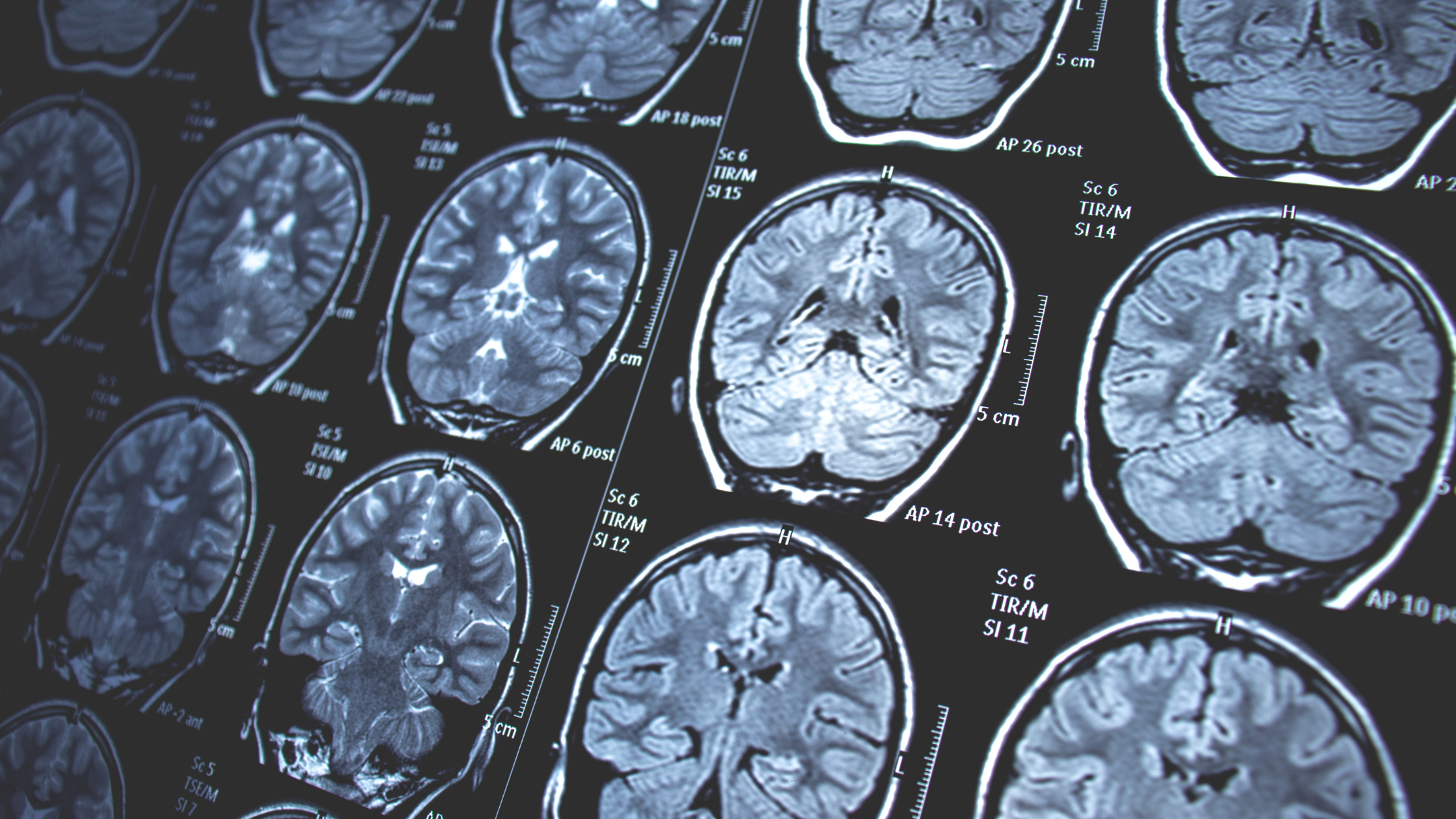

Same Equipment, Different Lens
What Functional Neurology Actually Does
By Dr. Justin Dearing, DC, DACNB, FIAMA, FAARM
Key Points
- Functional neurology uses the same medical-grade equipment as hospital specialists — including qEEG brain mapping, vestibular testing, hyperbaric oxygen therapy (HBOT), and photobiomodulation — but asks a fundamentally different question: not is something broken, but how is this brain performing?
- There is a treatable gap between "your scans are clean" and feeling well. Functional neurology is specifically designed for patients whose standard neurological workups come back normal, yet continue to experience brain fog, chronic fatigue, dizziness, or cognitive decline.
- Brain performance can be measured, mapped, and rehabilitated. Using quantitative EEG (qEEG), vestibulo-ocular testing (VOG), and autonomic function testing, The Dearing Clinic identifies exactly which brain networks and systems are underperforming — then builds a targeted rehabilitation plan around those specific deficits.
- Conditions like post-concussion syndrome, POTS, long COVID, and post-viral brain dysfunction have measurable neurological patterns that standard imaging often misses. Functional neurology detects and treats these patterns directly, producing outcomes that conventional care frequently cannot.
- The gut-brain connection is central to neurological recovery. Chronic neuroinflammation, microbiome imbalance, and immune dysregulation are frequently the root drivers of brain fog, anxiety, autonomic instability, and cognitive decline — and must be addressed alongside brain rehabilitation for lasting results.
- Every intervention is assessment-driven, not generic. Whether using neurofeedback, infra-slow fluctuation (ISF) therapy, nerve stimulation, or deep-penetrating photobiomodulation with the Avant LZ30, each treatment is selected because the diagnostic data identified a specific deficit — not because it sounds promising.
- Functional neurology isn't only for illness — it's a performance framework too. The same autonomic and brain network assessments used to help POTS and chronic fatigue patients recover are used to help elite athletes improve reaction time, cognitive load tolerance, and competition recovery.
- The Dearing Clinic in Brentwood, Tennessee offers fully integrated care under one roof — combining functional neurology, integrative medicine, regenerative medicine, IV therapy, acupuncture, and neuro-orthopedic rehabilitation into one coordinated plan, eliminating the fragmented specialist model that leaves most patients without answers.
When most people hear “functional neurology,” they assume it’s something alternative. Something on the fringe. Something that exists outside of mainstream medicine.
It isn’t.
Functional neurology uses the same medical-grade equipment hospital specialists use every day. The EEG. The vestibular testing units. The hyperbaric chambers. The diagnostic lasers. Same hardware. Same precision. The difference is in what we’re looking for and what we do with the information.
A neurologist asks: is something broken? They’re trained to screen for disease — seizures, tumors, strokes, degenerative conditions — and to decide whether imaging or medication is the right next step. That’s important work. It saves lives.
Functional neurology asks a different question: how is this brain performing? When the scans come back clean but the symptoms persist, when imaging is unremarkable but the patient still can’t function the way they used to, there’s a gap between “no disease” and “feeling well.” Functional neurology lives in that gap.
What we do is closer to specialty physical therapy for the brain. We measure how different regions and networks are coordinating, find the ones that aren’t performing well, and rehabilitate them using targeted interventions. It’s assessment-driven, measurement-based, and grounded in the same neuroscience the broader medical world relies on.
Here’s what that actually looks like in practice.
Two Different Questions
Standard neurology is built around pathology. A neurologist’s training, exam, and toolkit are oriented toward detecting disease. When you walk into a neurologist’s office with a complaint, they’re running through a mental checklist: Is there a tumor we need to image? Is there a seizure pattern we need to capture? Is there a degenerative process worth screening for? Is medication warranted?
That framework works well when there’s a clear pathology to find. It works less well when there isn’t.
We see patients every week whose imaging is clean and whose standard exams are unremarkable, but who can’t function the way they did a year or two ago. The fatigue is real. The brain fog is real. The dizziness, the anxiety walking into certain environments, the inability to focus, the loss of recovery capacity — all real. But there’s no disease label that fits, no medication that helps, and no imaging finding to point at.
This is where functional neurology comes in. We’re not screening for disease. We’re assessing how the brain is functioning — how well different regions communicate, how stable the networks are under load, how accurately the visual and vestibular systems coordinate, how well the brain responds to stimulus and recovers from it.
If you’re looking for pathology, you stop measuring when no pathology is found. If you’re looking for function, you keep measuring until you understand exactly where performance is breaking down — and then you rehabilitate it.
This isn’t a replacement for neurology. It’s a layer underneath it. Standard neurology rules out the things that need to be ruled out. Functional neurology picks up the work where standard neurology stops. The two approaches complement each other.
The patients who come to us have usually been through the standard workup already. They’ve seen specialists. They’ve had the scans. They’ve been told everything looks fine. They know it doesn’t feel fine. What they need is someone asking the next question — and that’s the question functional neurology was built to answer.
The Functional Exam Starts at Hello
Dr. Cortney Blake, our associate functional neurologist and a diplomate in clinical neurology (DC, DACNB), describes it this way: the exam begins the moment a patient walks through the door.
How does this person move through space? How are they orienting their head and eyes? How are they interacting with the environment around them? These observations aren’t small talk. They’re the first layer of assessment.
Here’s an example we see all the time. A patient describes feeling perfectly fine in open environments — walking outside, sitting in their backyard, driving down a familiar road. But the moment they walk into a Costco or Home Depot, something shifts. The lighting, the high ceilings, the visual noise of long aisles stacked with thousands of products — suddenly they feel dizzy, anxious, off-balance. Parents describe the same thing watching their kids play basketball in a busy gymnasium. The flashing scoreboard, the moving players, the crowd, the echoing sound — it overwhelms them. They have to leave or sit with their head down.
This is visual vertigo. The patient is capable of walking. The patient is capable of seeing. The issue is in how the brain processes and integrates the visual information coming in. When the visual environment becomes complex, the system that normally filters and stabilizes that input can’t keep up. The brain compensates, and the compensation feels terrible.
We look at the same patient in different states. At rest, with eyes closed, the brain often shows the capacity to settle and recover. The networks calm down. The autonomic system can shift toward repair. But the moment we ask that same brain to open its eyes and engage with the world, the picture changes. Networks that should stay stable start compensating. Regions that should communicate efficiently start working harder than they should. That’s where the symptoms come from.
The opposite pattern is just as common. A wired, anxious brain that can’t downshift even when the eyes are closed. Sleep is fragmented. Recovery doesn’t happen. The system never gets to rest. We see this in chronic fatigue, post-viral cases, and patients who’ve been running on stress physiology for years.
These observations — how someone moves, how they tolerate their environment, how their brain behaves with eyes open versus closed — point us toward what to measure next.
Listening for the Story Behind the Symptoms
Chronic neurological symptoms rarely appear out of nowhere. There’s almost always a story behind them, and finding that story is part of the clinical work.
Very often, what looks like a brain problem started somewhere else. A gut infection a few years ago that never fully resolved. A bout of mono in college. A viral illness during the pandemic. A round of antibiotics that disrupted the microbiome. An autoimmune flare. Each of these can affect the brain’s immune system directly or indirectly, setting up a slow, low-grade inflammation that eventually shows up as fatigue, brain fog, anxiety, or cognitive change.
Sometimes the story is an injury. A concussion in high school sports. A whiplash injury from a car accident. A surgical procedure with general anesthesia. A stroke that was small enough to be considered “minor” but never fully recovered from. The body remembers these events, even when the patient has moved on from them.
Finding the connection takes time. It takes a history that asks more than the standard intake form. We dig for the preceding events — what was happening in the months and years before symptoms became chronic? What changed? What never came back?
Insurance-driven systems have created specialty silos. None of those specialists are paid to ask whether the gut infection from three years ago is connected to the brain fog showing up today.
That fragmentation is the structural problem in modern healthcare delivery. The pieces of a patient’s story stay siloed, and the connections between them stay invisible. Functional neurology has the time and the framework to put those pieces back together — and that often changes everything about what we choose to treat first.
Same Tools, Different Lens
The diagnostic equipment used in functional neurology isn’t separate from mainstream medicine. It’s the same equipment. The difference is what we ask the data to tell us.
EEG and qEEG
A neurologist uses electroencephalography to screen for seizure activity. They’re looking for spikes, sharp waves, abnormal patterns that suggest epilepsy or another seizure disorder. We use the same electrodes, the same hardware, and run a process called quantitative EEG. Instead of just looking for pathology, we quantify more than 6,000 voxels of brain real estate. We measure regional power across multiple frequencies, network coherence between brain areas, phase relationships, and how well the major brain networks are coordinating with each other. The same recording. A different analysis. A completely different answer.
VNG and VOG
An audiologist uses videonystagmography to diagnose vestibular disorders like benign paroxysmal positional vertigo. They’re looking for nystagmus patterns that point to a specific vestibular pathology. We use the same goggles and the same hardware for videooculography (VOG). We map gaze stability, vestibulo-ocular reflex integrity, saccadic accuracy, and smooth pursuit performance — building a picture of how the visual and vestibular systems are working together. The data points to where the breakdown is, which then tells us exactly where to direct rehabilitation.
Tilt Table, Stress Test, and Autonomic Function Testing
A cardiologist uses tilt table tests and exercise stress tests to screen for syncope, arrhythmias, and structural cardiac disease. They’re measuring how the heart performs under load and whether there’s pathology to address. We use the same physiological principle — challenging the system and watching how it responds — through orthostatic stress testing, Valsalva, and heart rate variability during paced breathing, breath holds, and postural change. Same information about autonomic function. Different process. Different lens. For athletes and performance work, we also measure active metabolic rate (AMR) and resting metabolic rate (RMR) to understand exactly how the body produces and recovers energy under demand.
Gastroenterology and Functional Gut Assessment
A gastroenterologist uses scopes and cameras to look for pathology — ulcers, polyps, infections, inflammatory disease. That’s what they’re trained to find, and they do it well. We use stool and urine analysis to ask a different set of questions. What does the microbiome balance look like? How well is digestion and absorption working? Where are the inflammatory signals coming from? How is the gut influencing the brain, the lungs, the hormonal system, and the immune system? Same organ system. Different lens. Different information.
Hospital HBOT and Medical-Grade HBOT
Hospitals use closed hyperbaric chambers at high pressures for specific approved conditions — wound healing, severe burns, carbon monoxide poisoning, decompression sickness. The chambers are designed for those acute use cases. Medical-grade HBOT in a functional neurology setting is used for brain oxygenation, tissue repair, and supporting recovery in conditions where blood flow and oxygen delivery to the brain are part of the underlying problem. Same physics. Different application.
Surface Lasers and Deep-Penetrating Photobiomodulation
Many clinics use low-level laser therapy at surface levels — useful for some musculoskeletal applications, but limited in depth. We use the Avant LZ30, a medical-grade laser system that delivers approximately 200 times the joule output of typical surface lasers. That energy density is what allows photons to reach deep tissue, including brain tissue, and stimulate cytochrome c oxidase — the enzyme inside mitochondria that drives cellular energy production. Same underlying technology. A meaningfully different effect.
• • •
The pattern across all of these is the same. The equipment is mainstream. The question we’re asking is different. The standard medical use case is built around pathology and disease — and that’s appropriate for what hospitals are designed to do. Functional neurology uses the same tools to assess performance, find the regions and systems that aren’t coordinating well, and guide rehabilitation.
This is what we mean when we say functional neurology is specialty physical therapy for the brain. A physical therapist doesn’t replace an orthopedic surgeon — they pick up the work after surgery is over or when surgery isn’t needed in the first place. Functional neurology does the same thing for the brain. We don’t replace neurology. We extend it.
The Rehab Toolkit
Once we know where the breakdowns are, we have specific tools to address them. Every intervention is matched to a specific deficit found in the assessment — there are no generic protocols.
- Visual rehabilitation. If the VOG and clinical exam show breakdowns in saccadic accuracy, smooth pursuit, or convergence, we use targeted visual exercises to retrain those specific pathways. This is the same logic a physical therapist uses for a shoulder — find the movement that isn’t working, then drill it.
- Vestibular rehabilitation. When the vestibulo-ocular reflex is impaired, when gaze stability is poor, when habituation to motion is weak, we use specific drills to retrain those circuits. The exercises look simple but the targeting is precise.
- Nerve stimulation. The nasociliary nerve, the median nerve, and branches of the trigeminal nerve all have direct connections into brainstem regions that regulate autonomic tone, immune signaling, and reflexive coordination. We use targeted electrical stimulation of these pathways to influence brain state and improve regulation.
- Photobiomodulation. Using the Avant LZ30, we deliver specific wavelengths of light to underperforming brain regions, supporting cellular energy production at the mitochondrial level. This is one of the most direct ways to improve the energy supply available to neurons.
- ISF neurofeedback. Infra-Slow Fluctuation neurofeedback is specifically suited to retraining the autonomic nervous system and the brain’s immune regulation. It works at frequencies below the standard EEG range, where the slow control systems live. For patients with chronic autonomic dysregulation, post-viral symptoms, or chronic immune activation, this has been one of the most important tools we’ve added.
- Standard neurofeedback and pEMF. For network coherence, attention, and brainwave regulation, traditional neurofeedback and pulsed electromagnetic field entrainment remain valuable tools. They support specific network changes that other interventions can’t reach as directly.
What ties all of these together is the assessment that drives them. We don’t pick interventions because they sound interesting. We pick them because the data showed a specific deficit, and the intervention targets that deficit. Patients usually receive a combination of these therapies sequenced over time, with reassessment built in to track whether the targeted regions are actually changing.
This is what makes functional neurology a rehabilitation discipline rather than a wellness service. The work is measured. The progress is tracked. The interventions are specific.
The Rhythms and Connections We’re Listening For
When we look at qEEG data and clinical assessment, we’re not just looking for what’s loud or quiet. We’re looking for whether the brain’s natural rhythms are coordinating the way they’re supposed to.
A few examples of what that means in practice.
The PCC–mPFC memory rhythm. The posterior cingulate cortex and medial prefrontal cortex have to communicate in a specific rhythmic pattern for memory formation to work well. When that coordination breaks down, patients describe trouble forming new memories, difficulty recalling familiar names, and a sense that their thinking has slowed. We can see this on the qEEG and target it directly.
Emotional and affective system regulation. The networks that govern anxiety, mood, and threat appraisal have their own rhythmic signatures. When these systems are stuck in elevated activation, the patient experiences chronic anxiety, hypervigilance, or emotional reactivity that doesn’t match their environment. When they’re underactive, they describe flatness, low motivation, and a loss of emotional range.
DMN–CEN–SN network balance. The default mode network, central executive network, and salience network are supposed to switch in and out of dominance fluidly. When that switching gets stuck, patients experience either rumination and stuck thinking (DMN dominance), constant task-mode with no ability to rest (CEN dominance), or chronic threat detection (SN dominance).
The gut–insula connection. This is one of the most important connections we look at. The insula is the brain region that reads body state — including signals coming from the gut through vagal afferents. Microbiome shifts, gut inflammation, and immune signals from the gut-associated lymphoid tissue all reach the insula directly, shaping autonomic tone and threat detection. That “gut feeling” people talk about isn’t metaphorical. It’s an actual neural pathway. In many of our patients, the gut is the cause, an amplifier, and a downstream effect — all at once. Treating the brain without addressing the gut leaves the loop intact.
One Roof, One Team, One Plan: A Complete Network of Care
Functional neurology doesn’t work alone. The brain doesn’t function in isolation, and good care has to address everything that supplies it.
Brain function requires oxygenation, immune modulation, reflexive coordination, and metabolic capacity. None of those things live entirely inside the skull. The cervical spine and the vestibular system feed proprioceptive and balance information into the brain constantly. The gut and the immune system shape the brain’s inflammatory environment. The mitochondria in every cell determine whether the brain has enough energy to do its job. The systems that supply the brain are part of brain care — you can’t address one well without addressing the others.
That’s why we built The Dearing Clinic the way we did. Under one roof, the patient has access to functional neurology, integrative and metabolic medicine, regenerative medicine, neuro-orthopedic rehabilitation, IV and infusion therapies, acupuncture, and nervous system retraining — working from a shared assessment and a shared plan. The disciplines talk to each other because they share an office and share patients.
Our team reflects that. Lauren Dearing, our nurse practitioner, brings a conventional cardiovascular and primary care background that bridges integrative and conventional medicine — she manages medical workups, oversees infusion protocols, and coordinates with outside providers. Dr. Cortney Blake, a board-certified functional neurologist, expands our clinical capacity for the complex neurological cases that need dedicated focus. The DACNB credentialing — Diplomate of the American Chiropractic Neurology Board — is the training lineage that grounds the neurological side of the work, preparing practitioners to apply functional neuroscience across systems rather than just to a region.
What this means for the patient is straightforward. One assessment instead of five separate workups across five separate offices. One team that builds a plan together. One sequenced approach to the care, instead of overlapping recommendations that don’t coordinate. The sequencing matters — the order in which the layers of care are delivered is often the difference between a plan that holds and one that doesn’t. Having everything under one roof is what makes that sequencing possible.
Same Framework, Top Performers Too
Functional neurology isn’t only for injury and illness.
The same framework that helps a POTS patient stand up without their heart rate spiking and their vision graying out is the same framework that helps an elite athlete recover faster between competitions. The autonomic system either coordinates well or it doesn’t — and the principles for training it are the same whether we’re pulling someone out of chronic fatigue or sharpening someone who already performs at a high level.
For patients with POTS, chronic fatigue, and post-viral autonomic dysfunction, the work centers on stabilizing the system: improving HRV, restoring orthostatic tolerance, retraining the brainstem and insula regulation of cardiovascular and respiratory rhythm. The body has to learn how to handle ordinary demands again before it can handle anything harder. That’s rehabilitation.
For high-performing athletes, we apply the same measurements and the same principles — but the target is different. The goal isn’t to function in daily life; it’s to perform under the highest demands the body can be asked to handle. We measure how efficiently the athlete shifts attention between targets, how accurately they track moving objects, how stable their networks stay under cognitive and physical load, and how quickly they recover from competition stress. AMR and RMR testing tells us how their metabolism produces and recovers energy. qEEG and autonomic testing tell us how their nervous system organizes around that energy.
Same systems. Same measurements. Different ceilings. The brain that performs at the top of its capacity is the same brain that recovers from injury — we’re training the same circuits, just for different goals.
Conditions We’ve Helped With Measurable Outcomes
What does this approach actually move the needle on?
- Concussion and post-concussion syndrome. Whether the injury was recent or years ago, the patterns of dysfunction are usually measurable on qEEG and vestibular testing. Targeted rehabilitation produces measurable change.
- Autoimmune brain conditions. When neural antibodies are driving inflammation in specific brain regions, addressing the gut-immune-brain axis directly — combined with neurological rehabilitation — often produces significant improvement.
- Emotional balance problems. Anxiety, mood dysregulation, and threat-detection imbalances all have measurable signatures in the brain’s networks. When the underlying rhythms can be retrained, the symptoms shift.
- Post-viral brain dysfunction. The brain fog, fatigue, and autonomic dysfunction that follow viral illness — including long COVID — respond to a combination of immune modulation, autonomic retraining, and metabolic restoration.
- Chronic fatigue. When fatigue is rooted in autonomic dysregulation, mitochondrial dysfunction, and chronic immune activation, we can measure each layer and address them in the right sequence.
- Chronic pain. Pain that doesn’t respond to musculoskeletal treatment usually has a central component — the brain’s pain-processing systems are dysregulated. Neuro-orthopedic rehabilitation combined with central retraining produces durable change.
- Dizziness and vestibular dysfunction. Whether the cause is visual, vestibular, cervical, or central, mapping the source allows targeted rehabilitation that often resolves what years of generic vestibular therapy couldn’t.
- Childhood neurodevelopmental issues. Many developmental challenges — attention, learning, sensory regulation — reflect specific patterns of network and reflexive immaturity that can be measured and trained.
These aren’t isolated specialties we dabble in. They’re applications of the same underlying framework: assess function carefully, find the specific systems that aren’t coordinating well, rehabilitate them with targeted interventions, and measure the change. The conditions look different on the surface. Underneath, the work is the same.
Same Equipment. Different Lens. Different Result.
True functional neurology treats the brain and the body completely. It uses the same equipment mainstream medicine uses — just with a different lens, a different question, and a different purpose. The result is care that lives in the gap between “no disease” and “feeling well” — the gap most people don’t realize is treatable.
If you’ve been told your scans are clean but you still can’t function the way you used to. If you’ve cycled through specialists and come out with no answers. If your story has pieces that no one has ever connected. There’s a different kind of assessment available — one built specifically for these questions.
TAKE THE NEXT STEP
The first step is a Neurologic Consult, where we look at where your brain and body are functioning right now, identify where the breakdowns are, and map out what restoration would actually look like.
Visit thedearingclinic.com or call our Franklin, Tennessee office to schedule.
Frequently Asked Questions (FAQs)
1. What is functional neurology and how is it different from regular neurology?
Functional neurology uses the same medical-grade tools as conventional neurologists — EEG, vestibular testing, autonomic function testing, and more — but focuses on how the brain is performing rather than screening for disease or pathology. Standard neurology asks "is something broken?" Functional neurology asks "where is the brain underperforming, and how do we rehabilitate it?" It's specialty-level brain rehabilitation for patients whose standard workups come back normal but who still can't function the way they used to.
2. Can functional neurology help with brain fog and long COVID symptoms?
Yes. Brain fog, post-viral fatigue, autonomic dysregulation, and cognitive decline following viral illness — including long COVID — are among the most common conditions treated through functional neurology. These symptoms often reflect measurable breakdowns in brain network coordination, mitochondrial function, and gut-brain immune signaling. At The Dearing Clinic, we assess each of these layers and address them in a targeted, sequenced treatment plan.
3. My MRI and neurological tests came back normal, but I still don't feel right. Can functional neurology help?
This is exactly the patient functional neurology was built for. Standard imaging detects structural damage and disease — it is not designed to measure brain network performance, vestibulo-ocular coordination, autonomic stability, or neuroinflammation. If your scans are clean but symptoms like brain fog, dizziness, fatigue, or memory issues persist, there is likely a functional breakdown that standard testing simply wasn't designed to find.
4. What conditions does The Dearing Clinic treat with functional neurology?
The Dearing Clinic provides functional neurology care for post-concussion syndrome, long COVID and post-viral brain dysfunction, POTS and autonomic dysregulation, chronic fatigue, dizziness and vestibular dysfunction, anxiety and mood dysregulation, chronic pain, autoimmune brain conditions, and childhood neurodevelopmental challenges. Each condition is approached through the same framework: assess function, identify the breakdown, rehabilitate with precision.
5. What is qEEG brain mapping and why is it used in functional neurology?
Quantitative EEG (qEEG) uses the same electrode recording technology as a standard neurologist's EEG — but instead of only screening for seizure activity, it quantifies over 6,000 voxels of brain activity, measuring regional power, network coherence, and how well major brain systems are coordinating with each other. This gives our clinicians a detailed map of exactly where the brain is underperforming, which directly guides the rehabilitation plan.
6. Is functional neurology backed by science, or is it alternative medicine?
Functional neurology is grounded in the same peer-reviewed neuroscience used across mainstream medicine. The diagnostic tools — qEEG, VOG vestibular testing, autonomic function testing, HBOT, and photobiomodulation — are all used in hospital and research settings. The distinction is not the science; it's the clinical question being asked. Functional neurology applies established neuroscience to measure and rehabilitate brain performance, rather than to detect disease alone.
7. How does the gut-brain connection factor into functional neurology treatment?
The gut directly influences brain function through vagal nerve pathways, immune signaling, and the gut-brain axis. Microbiome imbalances, gut inflammation, and prior infections can drive chronic neuroinflammation that shows up as brain fog, anxiety, autonomic instability, and cognitive decline. At The Dearing Clinic, we assess gut health alongside brain function because treating the brain without addressing its primary inflammatory inputs often produces incomplete or short-lived results.
8. Where is The Dearing Clinic located, and who is a good candidate for a neurological consultation?
The Dearing Clinic is located in Brentwood, Tennessee, serving patients throughout the Greater Nashville area and beyond. Ideal candidates for a Neurologic Consult include anyone experiencing persistent brain fog, post-concussion symptoms, chronic fatigue, dizziness, POTS, long COVID neurological effects, or unexplained cognitive or mood changes — especially those who have already completed a standard neurological workup without finding answers. If you've been told everything looks normal but you still don't feel like yourself, this consultation was designed for you.
Ready to feel like you again?
* Your next step toward feeling better starts today. At The Dearing Clinic we make it simple to get started with care that truly fits your life. Book your visit now and let’s design a plan that restores your energy, relieves your pain, and helps you enjoy more of what matters most.