
You Cut the Wire, Not the Fire: The Truth About the Stellate Ganglion Block
The stellate ganglion block has become the go-to fix for PTSD and long COVID, and for good reason — patients describe real relief. But the block doesn't fix the nervous system; it just numbs the nerve carrying the alarm signal. This piece breaks down what's actually driving that alarm — neuroinflammation from the gut, past infections, or old injuries — and outlines a four-step approach to resetting the system itself instead of just muting it.

You Cut the Wire, Not the Fire: The Truth About the Stellate Ganglion Block
Why the stellate ganglion block works — and what it takes to change the reason the alarm was ringing.
The stellate ganglion block is having a moment, and honestly, it deserves one.
It is a smart intervention. When someone with PTSD or long COVID gets one and describes the relief as the first quiet they have felt in years, I believe them. That response is real, and it tells us something important about what is actually wrong.
Here is what the block is doing. There is a bundle of sympathetic nerves in your neck that carries the body’s alarm traffic upward. Numb that relay, and the signal stops reaching the parts of the brain that decide whether you are in danger. The alarm hubs stop getting the smoke signal. For a while, the fire looks like it is out.
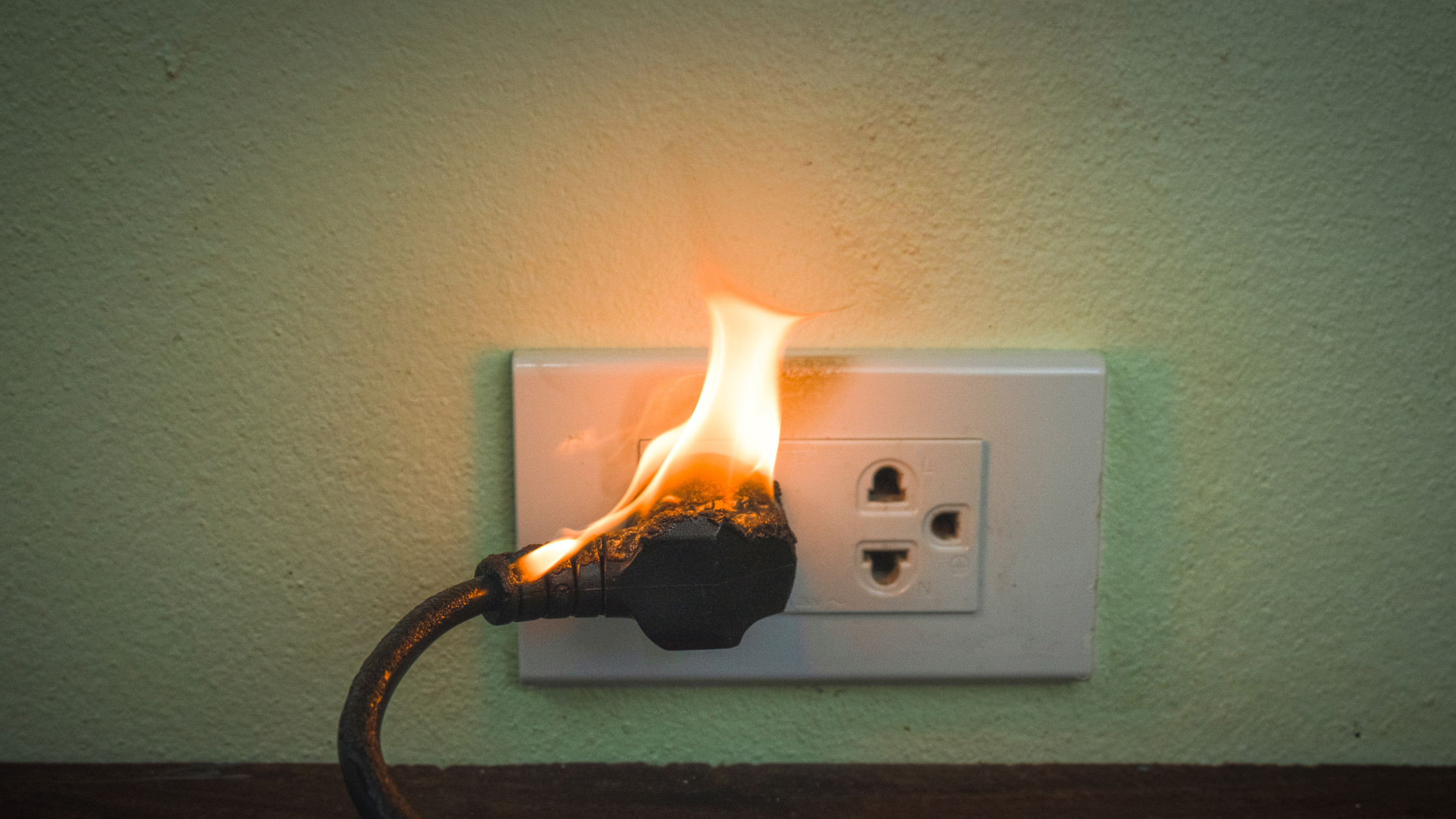
But the block did not put out the fire. It cut the wire to the smoke detector.
And that raises the question I find more interesting than the block itself: what was making that signal so loud in the first place?
What the Alarm Actually Is
Deep in your brain there are hubs whose whole job is to read your body and answer one question: am I safe right now? They listen to your heart, your gut, your breathing, your blood flow. They are not thinking about it. They are reading raw signal, constantly, under the level of your awareness.
When those signals come in clean and steady, the hubs stay quiet and your body runs in repair mode. Energy. Clear thinking. Steady digestion. Good recovery.
When those signals come in noisy, the hubs read danger and hold your whole system on alert. That is the alarm state. And a body held on alert for months or years starts to break down in ways that get a lot of different names in a lot of different specialists’ offices.
So the block works because it interrupts that traffic. Nothing mysterious about it. The question is why the traffic was so heavy.
What Primes the Alarm
Your brain has its own immune cells. Their job is to protect it. When they sense trouble, they shift into a defensive, on-guard state — and while they are in that state, everything around them runs hot. This is neuroinflammation, and it is one of the main reasons a nervous system gets stuck on alarm.
There are three common doors into that state, and I see all three every week.
The gut door. When the gut wall stops sealing properly, pieces of bacteria and immune signals leak into the bloodstream where they do not belong. Your brain’s immune cells read that as a threat and go on guard. Nothing has happened in your head at all, and the alarm is already rising.
The infection door. A virus, or your immune system’s response to it, can leave those brain immune cells primed — still standing guard long after the infection itself is gone. This is the pattern behind a lot of post-viral fatigue and long COVID.
The impact door. A concussion, even a mild one from years ago, leaves the same cells sensitized. The injury healed. The vigilance did not.
Three different entrances. Same room. Brain immune cells stuck on guard, an autonomic system trying to regulate a body that keeps reporting danger, and blood flow control that stops matching supply to demand.
Why Dysautonomia Gives It Away
If you want to see this in something you can actually feel, look at what happens when people stand up.
We see new cases of dysautonomia every week. Someone stands and their heart races. Or they stand and their blood pressure drops and the room goes gray. They get dizzy, foggy, and wiped out for the rest of the day by something as small as getting off the couch.
Standing up is a test your autonomic system is supposed to pass automatically. Gravity pulls blood toward your feet, and your nervous system has to tighten vessels and adjust flow in the same second so your brain never notices. When the system is dysregulated, it misses. Your brain briefly does not get what it needs, and you feel every bit of it.
That is not a mysterious mystery illness. That is a control system failing a basic test in real time — and it is measurable.
These conditions deserve a real medical workup, and they have real diagnostic criteria. But here is what I keep seeing in the same people: concussion history, a post-viral crash, migraines, gut problems, and orthostatic trouble, all arriving at different specialists under different names. They keep showing up together because they often share a mechanism — a nervous system trying to regulate from inflamed tissue and bad information.
The names are different. The failure underneath is often the same one.
Why a Block Cannot Rewrite the System
Now put those two ideas next to each other.
If the alarm is being primed by an inflamed gut, by immune cells still on guard from an old infection or an old hit, and by a control system regulating from bad information, then numbing one nerve bundle in the neck was never going to reach it.
That is not a knock on the procedure. It does exactly what it is designed to do, and doing it well is genuinely useful. It can drop the volume enough that a person finally gets a breath, and sometimes that window is what makes deeper work possible. But it is aimed at the wire, not the fire.
What we are after is different. We want the software rewritten — the settings themselves changed, so the system stops needing to sound the alarm at all.
What a More Complete Approach Looks Like
Rewriting those settings takes more than one lever, because the alarm is being fed from more than one place. Here is how we think about it, in order.
First, remove what is priming the alarm. That means the gut and immune terrain. Sealing a leaking gut wall, clearing overgrowths that keep sending false alarms, and rebuilding the good bacteria so the body can make energy and steady chemistry again. As long as the immune system keeps getting threat signals from below, nothing above it will hold.
Second, correct the information the system is regulating from. This is where functional neurology and hands-on brain and body work are not optional — they are central. Your autonomic system does not run on its own. It runs on the same networks that control your eyes, your balance, your posture, and your sense of where your body is in space. Your cerebellum, your brainstem, your inner ear, and your neck are all feeding position and motion data into the same control center that sets your autonomic tone.
That is why so many people with orthostatic trouble also have a subtle eye movement finding, a balance system that is not calibrated, or a neck that is not reporting position cleanly. Those are not separate problems. They are bad inputs. And a brain receiving bad information about where the body is and what it is doing will keep guessing at danger and keep running the alarm, no matter how well you quiet the signal downstream. Eye movement work, vestibular and balance retraining, postural work, cervical and craniosacral therapy — this is how we clean up the data the system is making decisions with.
Third, reset the alarm setting itself. This is where ISF neurofeedback has changed how I practice. Most brain training works on the fast, busy rhythms near the surface — the chatter on top. ISF reaches the slow, deep rhythms underneath, the ones that set your alarm level in the first place. It works at the level where your brain decides whether you are safe or on guard. Over the past two years it has produced some of the most remarkable changes I have seen in my career, precisely because it speaks to the alarm center rather than the noise above it.
Fourth, support the shift while the retraining takes hold. Procaine IV therapy helps quiet the autonomic loop and calm an overactive system, and the Rover gives us gentle multimodal support to help the nervous system settle into its new setting. These are supportive. They make the retraining easier and more comfortable. They are not the rewrite themselves, and I would not present them as such.
Four parts, because there were at least three doors in. Remove the priming. Fix the inputs. Reset the setting. Support the change while it holds.
More Complete, Not Better
I want to be careful with the comparison here, because I think the block is a good idea and I am glad people are talking about it. If you have had one and it helped, that relief was real and it told you something true: your alarm was the problem. That is genuinely useful information.
Our aim is just further upstream. We would rather spend the effort on why the nervous system was on fire than on how quietly we can silence one part of the signal. Not because silencing it is wrong, but because a quieted signal is not a changed system, and the relief that comes from a rewrite is the kind that stays.
The block turns the alarm down. We would rather put out the fire, so the alarm has nothing left to warn you about.
If you have been carrying a concussion history, a post-viral crash, migraines, gut trouble, or the kind of dizziness that shows up every time you stand, those may not be five separate problems. They may be one system asking for help in five different ways.
That is worth measuring properly. And it is worth treating at the source.
Ready to find out what is keeping your alarm on?
Start with a New Patient Consultation at The Dearing Clinic. We measure the whole system- brain, autonomic function, gut, and immune terrain- and build a plan in the order your physiology actually needs.

Dr. Justin Dearing
Ready to feel like you again?
* Your next step toward feeling better starts today. At The Dearing Clinic we make it simple to get started with care that truly fits your life. Book your visit now and let’s design a plan that restores your energy, relieves your pain, and helps you enjoy more of what matters most.