
The Vitamin C Your Body Can Actually Use
Not all vitamin C is created equal — and the form you receive changes everything. Learn why sodium ascorbate outperforms standard ascorbic acid for IV therapy, how high-dose vitamin C supports adrenal health, cellular aging, and immune function, and why it's a critical preparation step before regenerative treatments like IV stem cells.

The Vitamin C Your Body Can Actually Use: What Nobody Tells You About IV Therapy
High-dose IV vitamin C therapy | Sodium ascorbate vs ascorbic acid | Liposomal vitamin C | Adrenal support | Anti-aging | Regenerative medicine preparation
High-dose IV vitamin C is one of the most powerful clinical tools we use at The Dearing Clinic — for adrenal support, cellular resilience, immune optimization, and preparing the body for advanced regenerative therapies. But the results patients experience don't just come from the therapy itself. They come from a deliberate clinical decision about which form of vitamin C we use.
Not all vitamin C is created equal. The form your body receives determines how much is actually absorbed at the cellular level, how comfortable and sustained an IV infusion can be, and how effectively the therapy supports your metabolism, immune function, adrenal health, and recovery.
KEY TAKEAWAYS
- Sodium ascorbate is a buffered, pH-neutral form of vitamin C — the clinically superior choice for IV therapy, allowing higher therapeutic doses and exceptional patient comfort throughout infusion.
- IV delivery bypasses your gut entirely, achieving blood levels of vitamin C up to 100 times higher than oral supplements — making it a genuinely clinical tool, not just a supplement.
- High-dose vitamin C is a direct cofactor in adrenal hormone production, including cortisol — making it essential for patients dealing with chronic stress, burnout, and autonomic dysregulation.
- At the cellular level, vitamin C is one of the most powerful antioxidants in the body, supporting collagen synthesis, mitochondrial function, DNA repair, and healthy aging.
- High-dose IV sodium ascorbate is used at The Dearing Clinic as a preparation protocol before IV stem cell therapy — optimizing the internal environment so regenerative biologics can work more effectively.
- Liposomal oral vitamin C is available for daily use between IV sessions, offering dramatically better absorption than standard capsules or powders.
Why the Form of Vitamin C We Use Changes Everything
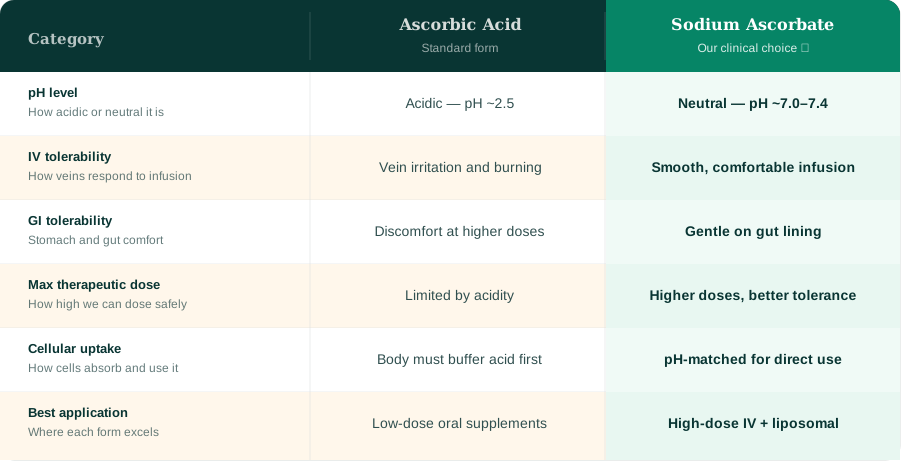
Vitamin C exists in several chemical forms. The two most common in clinical and supplement settings are ascorbic acid and sodium ascorbate. They contain the same active molecule — ascorbate — but their chemical environment is meaningfully different, and that difference determines just how effective your therapy can be.
Why Sodium Ascorbate Works Better at the Cellular Level
Your body operates within a tightly controlled pH range. Your blood, for example, stays close to a neutral 7.4. When a highly acidic compound like ascorbic acid is introduced in large amounts — whether orally or intravenously — your body must work to buffer and neutralize it before it can put the vitamin C to use.
Sodium ascorbate is already buffered to neutral pH. That means:
- Cells don't have to fight against an acid load to absorb the vitamin C
- The ascorbate molecule is more readily available for transport directly into tissues
- Antioxidant activity is supported more efficiently at the intracellular level
- Collagen synthesis, immune signaling, and adrenal hormone production receive the full therapeutic benefit
- Patients consistently report better comfort and tolerability, especially at higher doses
At the doses where vitamin C becomes a genuine clinical therapy — not just a daily supplement — this distinction becomes essential. The buffered form allows us to push doses higher, sustain them longer, and achieve the plasma concentrations where meaningful physiological change occurs.
How We Deliver It: IV Therapy and Liposomal Oral Preparations
High-Dose IV Sodium Ascorbate
IV delivery is one of the most powerful ways to administer vitamin C clinically. By bypassing the gut entirely, it achieves blood concentrations that are 50 to 100 times higher than what oral supplementation can produce — making it a genuine clinical tool with measurable physiological impact on cellular energy, immune function, adrenal support, and oxidative defense.
The key to maximizing that impact is the form. By using sodium ascorbate — buffered to a neutral pH that closely matches your own blood — our IV infusions are exceptionally comfortable even at high therapeutic doses. Patients can sustain longer infusion times, reach higher concentrations, and return for repeat sessions without discomfort. This matters clinically because the doses where vitamin C produces the most significant results are only achievable with a form the body welcomes rather than has to work against.
Liposomal Oral Vitamin C for Daily Use
For daily maintenance between IV sessions, we offer liposomal vitamin C preparations. Liposomal technology wraps the sodium ascorbate in phospholipid spheres — tiny fat-based vesicles that closely mimic your cell membranes. This dramatically improves absorption compared to standard vitamin C capsules or powders, delivering significantly more of the active ascorbate into your bloodstream rather than losing it in the gut.
Together, high-dose IV sessions and consistent daily liposomal use create a sustained therapeutic strategy. Peak-dose IV infusions establish high plasma levels. Daily liposomal supplementation maintains those levels between sessions, keeping your antioxidant defense, adrenal reserves, and immune function continuously supported.
The Benefits of High-Dose Vitamin C: What the Research Supports
1. Adrenal Support, Stress Resilience, and Cortisol Regulation
Your adrenal glands hold one of the highest concentrations of vitamin C of any tissue in the human body. This is not incidental — it reflects how deeply vitamin C is woven into the stress response. Vitamin C is a direct cofactor in the production of cortisol, adrenaline (epinephrine), and other adrenal hormones. Without adequate vitamin C, your adrenal glands cannot produce these hormones efficiently.
When you are chronically stressed — or stuck in the autonomic dysregulation pattern we see frequently in patients with burnout, post-viral fatigue, or low HRV — your adrenals are working overtime. They consume vitamin C at an accelerated rate. This creates a depletion cycle: high demand, low reserves, impaired hormone output, and worsening stress tolerance.
High-dose vitamin C supports this system by:
- Replenishing the adrenal vitamin C reserves depleted during chronic stress
- Supporting the enzymatic steps that regulate healthy cortisol production and clearance
- Reducing oxidative damage to adrenal tissue itself, protecting the glands from burnout
- Supporting faster autonomic recovery — helping the nervous system return to a parasympathetic state after stress activation
- Contributing to more balanced cortisol rhythm over time, which is foundational for sleep quality, energy, and immune function
For patients dealing with burnout, adrenal fatigue patterns, HRV dysregulation, or post-viral exhaustion, supporting adrenal function with high-dose vitamin C is one of the most clinically underutilized tools available.
2. Anti-Aging, Collagen Synthesis, and Cellular Resilience
Vitamin C is one of the most potent water-soluble antioxidants in human biology. Oxidative stress — the accumulation of reactive oxygen species (free radicals) — is one of the primary drivers of accelerated biological aging, declining tissue integrity, and reduced cellular function. Vitamin C is a frontline defense against this process.
High-dose sodium ascorbate supports healthy aging by:
- Neutralizing free radicals before they can damage mitochondrial membranes, proteins, and DNA
- Acting as an essential cofactor in collagen synthesis — supporting skin integrity, joint tissue, vascular wall health, and connective tissue throughout the body
- Regenerating other antioxidants including vitamin E and glutathione, amplifying the entire antioxidant network rather than acting alone
- Supporting telomere protection, which is closely associated with biological aging at the cellular level
- Improving endothelial function and microcirculation, which directly affects how well oxygen and nutrients reach every tissue in the body
In the context of The Rhythm Reset System, these properties directly support our goal of restoring mitochondrial capacity and cellular energy production. You cannot optimize mitochondrial function in a high-oxidative-stress environment. Vitamin C helps create the internal conditions that genuine metabolic restoration requires.
3. Immune Optimization and Cellular Protection
A significant body of research has examined the relationship between high-dose vitamin C and immune function, cellular health, and oxidative defense. To be clear about scope: vitamin C is not a treatment or prevention for cancer, and we do not make that claim. What the evidence does robustly support is vitamin C's role in creating a physiological environment where immune function is strong and cellular defense is active.
High-dose vitamin C supports immune and cellular health by:
- Supporting robust immune cell production and activity, including natural killer (NK) cells, lymphocytes, and neutrophils
- Reducing the chronic low-grade inflammatory signaling that undermines immune surveillance and cellular repair
- Neutralizing carcinogenic free radicals through antioxidant activity before they can cause cumulative cellular damage
- Supporting proper DNA repair mechanisms that allow cells to correct errors before they compound over time
- Being actively studied in integrative oncology settings as a supportive therapy alongside conventional treatment — not as a replacement
Maintaining a strong immune baseline, reducing oxidative burden, and actively supporting cellular integrity are goals that benefit virtually every patient — regardless of their primary health concern.
4. Synergy Therapy: Preparing the Body for IV Regenerative Treatments
One of the most important — and frequently overlooked — principles in regenerative medicine is this: the outcome of any regenerative therapy depends heavily on the physiological environment you introduce it into.
If your system is inflamed, oxidatively stressed, or mitochondrially depleted when you receive IV stem cells, exosomes, Wharton's Jelly (HYLA Pure), or other regenerative biologics, those biologics have a significantly harder time expressing their regenerative signals. Think of it this way: the soil determines how well the seed takes root.
High-dose IV sodium ascorbate, administered as part of a structured pre-treatment preparation protocol, helps optimize that internal environment:
- Reduces systemic oxidative stress so regenerative biologics are introduced into a lower-inflammation setting
- Supports mitochondrial redox balance, ensuring cells have sufficient energy to respond to regenerative signaling
- Enhances collagen synthesis pathways that provide the tissue scaffolding repair depends on
- Improves microvascular circulation so biologics are efficiently distributed to target tissues
- Supports immune system readiness so the body coordinates a regenerative response rather than a defensive one
At The Dearing Clinic, we incorporate high-dose IV vitamin C infusions as a deliberate preparation phase before patients receive IV stem cell therapy or exosome biologics. This is a sequenced clinical decision — not an add-on. It reflects the same core principle that guides The Rhythm Reset System: stabilize and optimize the system first, then introduce the more intensive intervention. When the body is properly prepared, regenerative therapies can do what they are designed to do.
Who Is High-Dose IV Vitamin C For?
High-dose IV sodium ascorbate may be a valuable component of your protocol if you are dealing with any of the following:
- Chronic fatigue or post-viral exhaustion that doesn't resolve with rest or standard supplementation
- Burnout, adrenal dysregulation, or disrupted cortisol rhythm
- Brain fog, poor recovery, or low HRV
- Signs of accelerated aging, poor skin integrity, or slow wound healing
- Preparing for IV stem cell therapy, exosome treatment, or other regenerative biologics
- High oxidative stress load from chronic illness, intense training, or environmental exposure
- Chronic inflammation or immune dysregulation
- Anyone seeking a science-based, data-driven approach to cellular health and longevity
As with all protocols at The Dearing Clinic, high-dose vitamin C is not applied as a standalone supplement. It is integrated into a broader, sequenced clinical plan based on your functional testing — including PNOE metabolic testing, HRV analysis, and comprehensive labs — to ensure it is addressing the right systems at the right time.
Ready to Find Out If IV Vitamin C Is Right for You?
High-dose IV sodium ascorbate is one component of a broader, data-driven approach to restoring cellular energy, immune resilience, and metabolic function. At The Dearing Clinic, every protocol begins with functional testing — so we know exactly where your system needs support before we intervene.
Schedule a New Patient Consultation to learn whether IV vitamin C therapy is right for your health goals.
Frequently Asked Questions (FAQs)
1. Is sodium ascorbate still considered vitamin C?
Yes. Sodium ascorbate is the sodium salt of ascorbic acid. The active molecule your body uses — ascorbate — is chemically identical regardless of the form. The sodium component simply buffers the pH to neutral, making it better tolerated at high doses both intravenously and orally.
2. What is the difference between IV vitamin C and taking a high-dose oral supplement?
The difference is absorption. Your gut has a transport ceiling for vitamin C — once intestinal transporters are saturated, excess is excreted regardless of how much you take orally. IV delivery bypasses the gut entirely, achieving plasma concentrations 50 to 100 times higher than oral supplementation can produce. For therapeutic-level dosing, IV is the only route that achieves the concentrations where meaningful physiological change occurs.
3. How much sodium ascorbate is used in a typical IV session?
Doses vary based on your clinical picture, health goals, and protocol stage. Common IV doses range from 15 to 75 grams or higher in select cases. Our clinical team determines the appropriate dose based on your current health status, functional testing results, and treatment objectives.
4. Why does the form of vitamin C matter so much for IV therapy?
The form determines how comfortably and effectively the therapy can be delivered. Ascorbic acid has a pH of approximately 2.5 — significantly more acidic than your blood's natural pH of 7.4. At high doses, this acidity can create discomfort and limits how high the dose can go. Sodium ascorbate has a neutral pH of approximately 7.0 to 7.4, closely matching your body's own chemistry. This allows infusions to be comfortable even at high therapeutic doses, which is precisely where IV vitamin C produces its most significant clinical benefits.
5. How does high-dose vitamin C support adrenal health?
Your adrenal glands contain one of the highest concentrations of vitamin C in the body because vitamin C is a direct cofactor in producing cortisol and adrenaline. When you are chronically stressed or in a state of autonomic dysregulation, your adrenals deplete vitamin C rapidly. High-dose IV vitamin C replenishes those reserves, supports healthy cortisol production, and helps reduce oxidative damage to the adrenal glands themselves — contributing to better stress resilience and more balanced energy over time.
6. Can vitamin C prevent cancer?
We want to be straightforward here: vitamin C is not a proven cancer prevention or treatment, and we do not make that claim. What the research does support is that high-dose vitamin C reduces oxidative damage at the cellular level, supports DNA repair mechanisms, strengthens immune function, and is being studied as a supportive therapy in integrative oncology settings. Maintaining a strong antioxidant defense and healthy cellular environment is beneficial for everyone — but it is not the same as a cancer prevention claim.
7. Are there people who should not receive high-dose IV vitamin C?
Yes. People with G6PD deficiency — a genetic enzyme condition — should not receive high-dose IV vitamin C without proper screening, as it can trigger a serious reaction. Patients with kidney disease, calcium oxalate issues, or hemochromatosis also require careful evaluation before high-dose IV therapy. We screen for relevant contraindications before initiating any high-dose vitamin C protocol. This is one of many reasons IV therapy must be supervised by a qualified clinician.
8. Why is IV vitamin C used before stem cell therapy?
Regenerative therapies work best when introduced into an optimized physiological environment. High-dose IV vitamin C reduces systemic oxidative stress, supports mitochondrial function, improves microvascular circulation, and reduces the inflammatory load in your tissues — all of which help regenerative biologics like IV stem cells and exosomes express their effects more effectively. We use it as a deliberate preparation phase, not simply as an add-on.
9. How often would I receive IV vitamin C treatments?
Frequency depends entirely on your goals and protocol stage. Some patients receive IV vitamin C weekly as part of an ongoing oxidative stress reduction and adrenal support program. Others receive it as a preparation component in the weeks leading up to a regenerative therapy session. Your individualized Rhythm Reset plan determines the appropriate frequency based on your functional testing results.
10. What should I expect during a session?
Most patients describe our IV sodium ascorbate infusions as comfortable and relaxing. The neutral pH means sessions are well tolerated even at high therapeutic doses. Sessions typically last 60 to 90 minutes depending on the dose. Many patients use the time to rest, read, or listen to music. Some notice a mild warmth or a calm, settled feeling during the infusion — a common response to high-dose vitamin C supporting the nervous system.
11. How is liposomal vitamin C different from regular vitamin C capsules?
Standard vitamin C capsules and powders rely on gut absorption, which has a well-established ceiling. Liposomal technology encapsulates the sodium ascorbate in phospholipid spheres that mimic cell membranes, allowing far more of the vitamin C to pass through the gut wall and into circulation compared to conventional oral forms. While still not equivalent to IV therapy in terms of peak plasma levels, liposomal preparations offer meaningfully better absorption for daily maintenance use.

Lauren Dearing
Ready to feel like you again?
* Your next step toward feeling better starts today. At The Dearing Clinic we make it simple to get started with care that truly fits your life. Book your visit now and let’s design a plan that restores your energy, relieves your pain, and helps you enjoy more of what matters most.