
The Two Systems That Decide How Fast You Age
Most people treat aging as one big, unstoppable process. It's actually two separate systems — autophagy, which recycles damaged material inside a working cell, and senolysis, which clears out "zombie cells" that have stopped functioning but won't die. One you can switch on tonight through fasting, exercise, and sleep. The other usually needs more than lifestyle alone. Dr. Dearing breaks down both, honestly, including exactly where the evidence is strong and where it's still forming.


The Two Systems That Decide How Fast You Age
How Cellular Recycling Works, How to Switch It On, and Where We Come In
Key Points
- Every cell has a built-in recycling system called autophagy, and it runs constantly whether you notice it or not. It breaks down damaged proteins and worn-out cellular machinery and reuses the raw materials to build new, functional parts.
- When autophagy falls behind, damaged cellular machinery piles up — and that buildup is what aging and chronic fatigue actually look like at the cellular level. The system doesn't fail all at once. It just slowly loses ground.
- A second system, senolysis, removes entire cells that have stopped working but won't die. These cells are often nicknamed “zombie cells,” and they leak inflammatory signals that age the healthy tissue around them.
- Fasting is the single strongest lever for switching on autophagy, and a 2024 study mapped the exact mechanism across species, including humans. Going without food drops a growth switch called mTOR, raises a compound called spermidine, and shifts your cells into active repair mode.
- Exercise drives autophagy too — but only if you let the natural post-workout inflammation do its job instead of icing it away. That brief, normal inflammatory response is part of the signal that tells your body to start cleaning house.
- Certain plant compounds and spermidine-rich foods support the same pathway fasting activates, just more gently. Wheat germ, aged cheese, mushrooms, and fermented soy all feed the same mechanism.
- Senolysis is harder to do on your own — this is where targeted clinical tools extend what diet and lifestyle can reach. Oxygen therapy, senolytic compounds, and regenerative signaling all work on the layer lifestyle alone can't touch.
- Sequence matters: lifestyle builds the foundation, and clinical support reaches what's left over. We don't override your biology. We clear the road it's already trying to drive on.
Most of the people I see in the clinic come in with some version of the same story. They're tired in a way sleep doesn't fix. Their thinking feels slower than it used to. They get sick easier, recover from workouts harder, and take days instead of hours to bounce back from a stressful week. Their bloodwork comes back fine, which only makes it more confusing.
Here's a different way to look at that experience. It's not a disease, and it's not aging in the vague sense everyone means when they say that word. It's a maintenance problem. Every cell in your body is constantly building up worn-out parts and damaged machinery, and every cell has a crew whose entire job is to clear that wreckage out and recycle it into something useful. When that crew keeps up, you feel clear and energetic. When it falls behind, the junk piles up and the whole system runs dirty and slow.
This article is about that crew — what it is, how you switch it on starting tonight, and where our work at the clinic picks up where diet and lifestyle reach their ceiling.
One promise before we start: I'm going to be honest with you about the science the whole way through. Some of what I describe rests on strong human evidence. Some of it rests on solid biology that hasn't yet been proven in large human trials. I'll tell you which is which every time, because you deserve to know where the certainty ends.
Two Systems, Not One
Your body runs two different cleanup systems, and most of the wellness conversation blurs them together. Keeping them separate is what lets you understand what's actually in your control and what calls for clinical help.
Autophagy is recycling inside the cell. The word literally means self-eating, which sounds alarming but is one of the most protective things your body does. Autophagy gathers up damaged parts and broken proteins inside a cell, breaks them down, and reuses the raw material to build new ones — like a cell cleaning and renovating its own interior, one room at a time. This is the system you have the most direct control over.
Senolysis deals with a different problem entirely. Sometimes a whole cell gets too damaged to function but doesn't die and clear out the way it should. It just sits there. Researchers call these senescent cells; the more useful nickname is zombie cells. They've stopped doing their job, but they haven't left — and worse, they leak inflammatory signals that irritate every healthy cell around them. Clearing these cells out entirely is called senolysis.
Autophagy cleans the inside of a working cell. Senolysis removes an entire cell that's quit. You can drive autophagy powerfully on your own, starting today. Clearing zombie cells is a different job, and it's where clinical tools earn their place.
How to Switch On Autophagy Tonight
This is the part worth taking with you, because it costs nothing and it's entirely in your hands. Your cells decide how hard to run autophagy based on the signals you send them. A handful of daily habits send a strong cleanup signal — here are the ones that matter most, strongest first.
Fasting and Time-Restricted Eating
This is the most powerful lever you have. When you go without food for a stretch, your cells sense the drop in nutrients and shift out of growth mode and into repair mode.
A landmark 2024 study mapped exactly how this happens. Researchers found that fasting and calorie reduction raised levels of a natural compound called spermidine across yeast, flies, mice, and human volunteers — and that this rise was essential for fasting to trigger autophagy and its longevity benefits. The chain runs like this: going without food lowers a master growth switch called mTOR, spermidine rises, and that shift drives the cell into active recycling.
Part of that research was done in yeast and flies, and part of it was confirmed in real human volunteers — which is exactly why the mechanism holds up as a guide for people, even though no single trial has proven fasting clears human disease outright. In practice, an eating window of eight to ten hours, with a longer overnight gap, is enough to start sending the signal for most people.
Exercise
Movement does double duty. It drives autophagy, and it's one of the few things that genuinely helps clear zombie cells too. But there's a catch worth knowing, because it changes how you should think about recovery. The cleanup effect of exercise depends on the brief, natural inflammation a real training effort produces. That short burst of stress is part of the signal.
This is where a lot of well-intentioned recovery habits work against the goal. Habitually dropping into an ice bath or loading up on high-dose antioxidants right after training can quiet the very signal that tells your body to clean house. Save the aggressive recovery tools for when you truly need them, not as a reflex after every session.
Spermidine-Rich Foods
Since spermidine sits at the center of the fasting mechanism, you can also eat your way toward it. It's found in wheat germ, aged cheeses, natto and other fermented soy, mushrooms, and certain legumes. Food is a gentle on-ramp to the same pathway fasting activates more forcefully, and the two work in the same direction.
Sleep, Light, and Daily Rhythm
Your cleanup crew runs on a schedule, and that schedule is set by your circadian rhythm. A great deal of repair work happens during deep sleep. Morning sunlight and a dim, wound-down evening protect the nightly window when much of this recycling actually gets done.
Why Senolysis Needs More Than Lifestyle
Zombie cells are harder to clear than ordinary cellular wear and tear, and that's by design — a cell that refuses to die and refuses to function is, almost by definition, resistant to the normal signals that drive autophagy. They accumulate in nearly every tissue associated with feeling older: joints, skin, blood vessels, metabolism, brain. And the inflammatory signal they leak — researchers call it the senescence-associated secretory phenotype, or SASP — recruits more of the surrounding tissue into the same dysfunction. Left alone, the problem compounds.
Diet, fasting, and exercise slow the rate at which new zombie cells form. They don't reliably clear out the ones that have already accumulated. That gap is exactly where clinical tools come in — not to replace the foundation, but to reach what the foundation can't.
Where We Come In
Everything so far is work you can do without us. So what does the clinic actually add? In a sentence: we remove the bottlenecks that keep your cleanup systems from working, and we add tools that reach the jobs diet and lifestyle can't. We don't override your biology. We clear the road it's already trying to drive on.
Restoring Oxygen Delivery
The recycling machinery runs on energy, and energy runs on oxygen reaching your tissues. When delivery is poor, every cleanup process downstream runs at half speed. Hyperbaric oxygen therapy and exercise with oxygen therapy are our tools for restoring that supply. There's early evidence that oxygen therapy touches the senescence process directly, though that signal currently comes from a single small study — a starting point, not a settled fact, and we'll always tell you which one you're getting.
Clearing the Cells the Body Can't
This is the frontier, and it's where the senolytic field is moving fastest. Specific compound combinations are being studied for their ability to clear zombie cells the body isn't removing on its own. The most-studied pairing has reached early human trials in the brain, with measurable signals in small groups of patients, though most of the work in other parts of the body is still in animals. We treat this as a real and promising tier, not a proven one, and we say so plainly.
Fisetin and quercetin — plant compounds found in strawberries, apples, onions, and capers — show both autophagy support and some ability to clear senescent cells in laboratory work. Fisetin in particular has strong animal data, with human trials now underway. Spermidine, as a supplement, targets the same pathway we discussed with fasting, making it the most mechanistically direct option in this category.
Exosomes and Regenerative Signals
Therapies derived from umbilical and placental tissue, particularly the tiny signaling packets called exosomes, have a large and growing base of mechanism and animal evidence across both brain inflammation and gut inflammation. Human trials are registered and underway, but the meaningful readouts are still years away — mechanistically compelling, clinically early, and we hold that distinction firmly.
Methylene Blue, and a Lesson in Grading Evidence
Methylene blue is an old compound with a real role in supporting how cells produce energy. It's also a useful teaching case, because its reputation has gotten ahead of its proof in some areas and not others.
Here's where it's genuinely interesting. A 2020 study from a Johns Hopkins laboratory found that methylene blue was one of the most active single agents against the dormant, biofilm form of Bartonella, a stubborn tick-borne bacterium, and that pairing it with an antibiotic completely eradicated those persister forms in the dish. That's a real finding from a serious lab, and it's the strongest piece of its antimicrobial file.
But the same authors were careful, and so are we. They stated directly that this activity was shown in vitro, and that animal studies and then human trials are still needed before it should guide treatment. A bacterium killed in a lab dish is not the same as a bacterium cleared from a person. The claim you sometimes see that methylene blue treats Epstein-Barr virus rests on far weaker ground than the Bartonella work — mostly older patent filings rather than real trials. Those two claims get bundled together in marketing as if they were equal. They're not, and a careful clinician grades them differently.
One safety rule we hold firmly: we keep methylene blue and ozone-based therapies separate in time rather than combining them in one infusion. Both are redox-active, and stacking two opposing oxidative tools together has no controlled evidence behind it and a real chance of each canceling the other out.
What We Do — and Don't — Claim
We're going to be plain about this, because it's the whole foundation of how we practice. We don't claim to treat or cure Lyme disease, Bartonella, Epstein-Barr, Crohn's, colitis, Alzheimer's, or chronic fatigue as named diseases. We don't present a result from a laboratory dish as if it were a result in a human being.
What we do is measurable and real: we restore the physiological conditions — oxygen delivery, energy production, a calmer nervous system, a healthier gut — that let your body's own cleanup and repair systems do the work they're built to do. Then we measure, and we verify against your own results rather than a brochure.
The cleanup crew is yours. It came installed. You can start supporting it tonight with how you eat, how you move, and how you sleep. When you need more than lifestyle can give, our role isn't to sell you a shortcut. It's to find what's blocking the crew, clear it, and add the tools that reach what you can't reach alone — while always telling you the truth about how sure we are.
Frequently Asked Questions (FAQs)
1. What is autophagy and why does it matter?
Autophagy is the process your cells use to break down damaged or worn-out components and recycle them into new, functional parts. It's one of the main reasons cells stay efficient over time. When autophagy slows down, damaged material accumulates, and that buildup shows up as fatigue, slower recovery, and the general sense of running dirty and slow.
2. What's the difference between autophagy and senolysis?
Autophagy cleans the inside of a cell that's still working. Senolysis removes an entire cell that's stopped functioning but hasn't died off — often called a senescent or “zombie” cell. You can drive autophagy on your own through fasting, exercise, and sleep. Clearing zombie cells generally takes more than lifestyle alone.
3. Does fasting actually trigger autophagy?
Yes. A 2024 study tracked the mechanism directly: fasting and calorie reduction raise a compound called spermidine, which is essential for triggering autophagy and its associated benefits. The effect has been confirmed across multiple species, including human volunteers, alongside lab models like yeast and flies.
4. How long do I need to fast to switch on autophagy?
Most people start sending a meaningful autophagy signal with an eating window of eight to ten hours and a longer overnight gap. You don't need an extended or extreme fast to get the benefit — consistency matters more than duration.
5. Why shouldn't I ice every workout if recovery tools are good for me?
The cleanup benefit of exercise depends partly on the brief, natural inflammation a real training effort produces. Habitually blunting that inflammation with ice baths or high-dose antioxidants right after training can quiet the same signal that tells your body to start its repair process. Save aggressive recovery tools for when you genuinely need them.
6. What are senescent or “zombie” cells?
These are cells that have become too damaged to function but don't die off the way they're supposed to. Instead of clearing out, they linger and release inflammatory signals that accelerate aging and dysfunction in the healthy tissue around them.
7. Can supplements alone clear senescent cells?
Certain compounds — fisetin and quercetin in particular — show real senolytic activity in laboratory and animal research, with human trials underway. They're a genuine part of the picture, but they're accelerants for a process your body already runs, not a standalone fix for cells your body hasn't cleared on its own.
8. What does The Dearing Clinic actually add beyond diet and lifestyle?
We work on the layer lifestyle can't reach alone: restoring oxygen delivery, supporting senolytic clearance, and using regenerative tools like exosome therapy where the evidence supports it. We sequence these around your own foundation rather than replacing it, and we're direct with you about which therapies are well-established and which are still early.
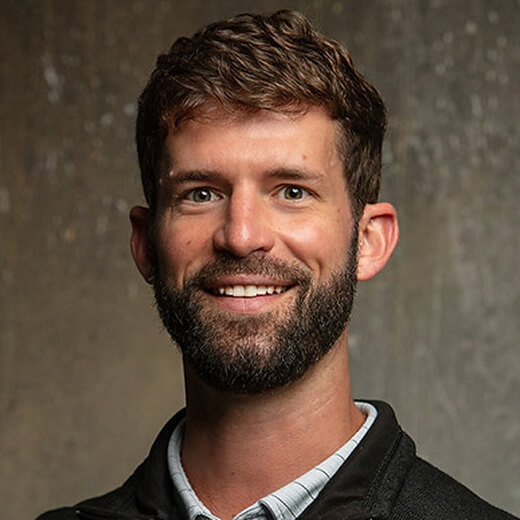
Dr. Justin Dearing
Ready to feel like you again?
* Your next step toward feeling better starts today. At The Dearing Clinic we make it simple to get started with care that truly fits your life. Book your visit now and let’s design a plan that restores your energy, relieves your pain, and helps you enjoy more of what matters most.