
Redox-First: Rebuilding the Injured Brain
Many patients struggling with mold illness, Lyme disease, long COVID, chronic fatigue, and gut-related inflammation continue to experience brain fog, memory issues, and neurological symptoms even after addressing the original trigger. At The Dearing Clinic, we take a brain-first rehabilitation approach that focuses on restoring the nervous system, immune system, and gut simultaneously. By combining functional neurology, low-dose Redox ozone therapy, hyperbaric oxygen therapy (HBOT), neurofeedback, and targeted nutritional support, we work to reduce neuroinflammation, improve brain oxygenation, and help patients regain cognitive function and resilience.
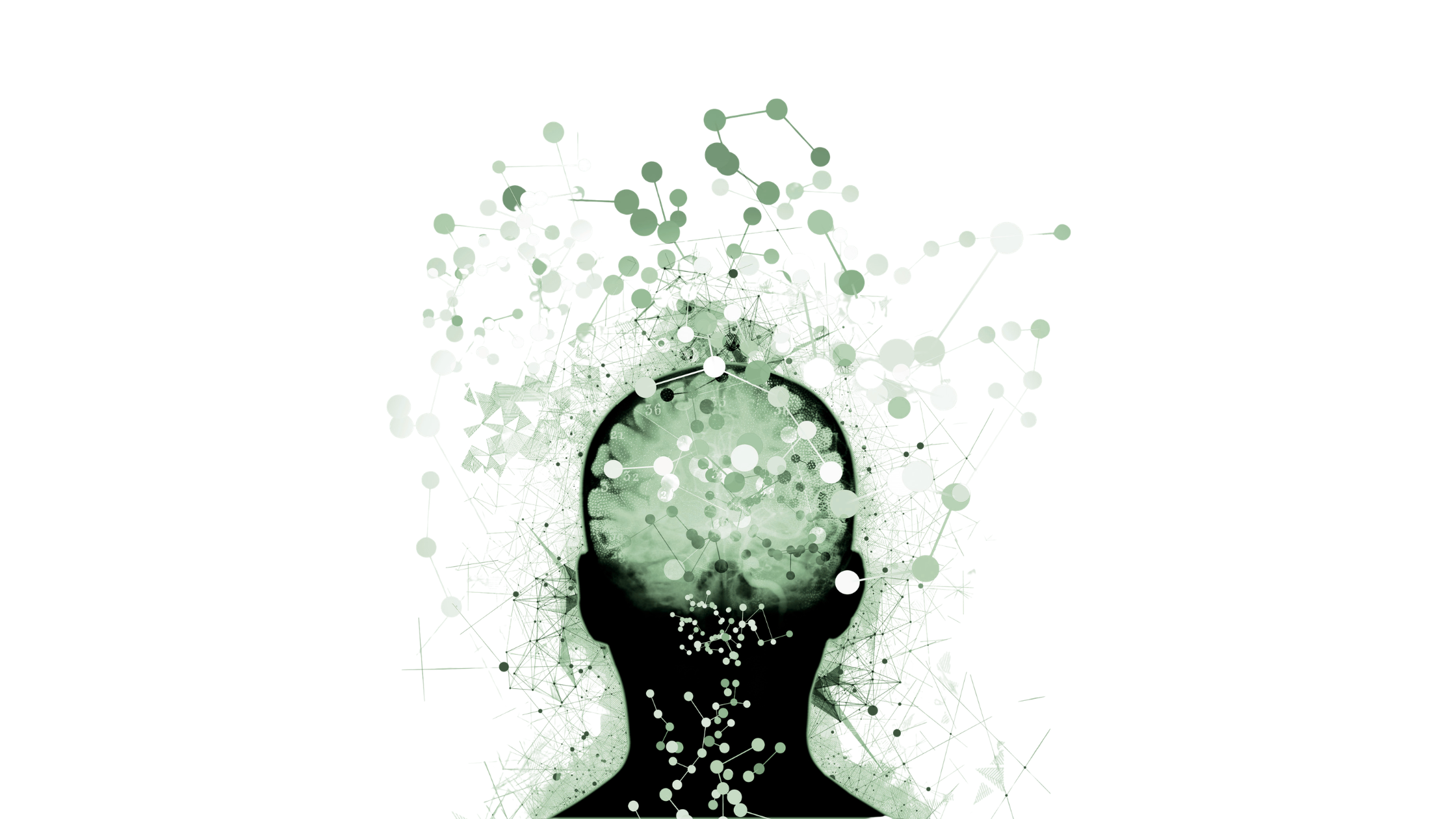

Redox-First: Rebuilding the Injured Brain
Our approach to brain rehabilitation in mold, Lyme, post-viral illness, and gut-driven inflammation
Key Points:
- Brain fog, memory issues, fatigue, and cognitive dysfunction can be caused by mold illness, Lyme disease, long COVID, chronic infections, and gut-driven inflammation—not just head injuries.
- Many chronic illnesses create the same neurological pattern: an inflamed, under-fueled brain with reduced blood flow and a nervous system stuck in a stress response.
- True recovery requires addressing the nervous system, immune system, and gut together to create a strong foundation for brain rehabilitation.
- Chronic inflammatory conditions like CIRS can reduce oxygen delivery to the brain, contributing to neuroinflammation, mitochondrial dysfunction, and ongoing cognitive symptoms.
- Functional neurology focuses on restoring brain function through targeted rehabilitation that supports neuroplasticity and nervous system regulation.
- Low-dose Redox ozone therapy helps activate the body's natural antioxidant defenses, support circulation, and reduce inflammatory stress on the brain.
- Medical-grade hyperbaric oxygen therapy (HBOT) improves oxygen delivery to brain tissue, supporting healing, repair, and cognitive recovery.
- Personalized testing, including brain mapping, heart rate variability, and laboratory markers, helps guide treatment and track measurable improvements in brain health and function.
Where Complex Brain Cases Land
Most people do not start their healing at The Dearing Clinic. They arrive after the other doors have closed. By the time we meet them, they have usually spent years, and a great deal of money, trying to feel like themselves again. They have seen specialists and run labs that came back “normal.” Many have already removed mold from their home or finished treatment for a tick-borne infection, and they still do not feel well.
We are the clinic where complicated cases land, and often we are the last stop. That reality shaped how we practice. It forced us to organize our work around one question: when the brain has been injured, whatever the cause, how do you rebuild it?
The brain can be injured in more ways than most people realize. A concussion does it. So does the long tail of a viral illness, like the fatigue and fog that follow the flu, COVID or mononucleosis or “Mono”. So does a slow leak of bacterial toxins from an unhealthy gut, crossing a weakened blood-brain barrier and distorting the immune system. The trigger changes. The injured brain looks remarkably similar.
Our job is to rebuild three systems together: the nervous system, the immune system, and the gut. Once those are stabilized, the brain has a foundation solid enough to rehabilitate. We are not a mold clinic or a Lyme clinic. We are a brain and body rehabilitation clinic that finds and treats the many things that leave a brain inflamed, under-fueled, and locked in a stress state.
Standing on Good Science
Our approach combines established bodies of work that most clinics keep in separate boxes.
The foundation is clinical and functional neurology. We build on the work of Dr. Frederick “Ted” Carrick, a pioneer of the field, whose published research on head-eye-vestibular-motion therapy demonstrated measurable gains not only in physical symptoms but in the mental health of patients with severe, long-standing post-concussion injuries. The principle behind that work, that precise rehabilitation changes how a damaged brain functions, drives everything we do.
For the biotoxin science, we credit Dr. Ritchie Shoemaker and the researchers who followed him. They mapped how mold and other biotoxins injure the brain and how those injuries can be measured. We build directly on that map.
In ozone medicine, we follow Dr. Frank Shallenberger, founder of the American Academy of Ozonotherapy, together with the foundational science of Professor Velio Bocci, who established why low, controlled doses of ozone heal while high doses harm. Their work defines how we dose.
For high-dose vitamin C, we use sodium ascorbate, the pH-neutral form patients tolerate far better than ordinary ascorbic acid. Academic research on vitamin C and immunity shows how powerfully this nutrient concentrates in immune cells and fuels the body's antioxidant defenses, and clinical educators including the Vitamin C Institute for Clinical Integration have brought that evidence into daily practice.
No single tool here is a cure. Brain recovery is not a single-tool problem. Our expertise is combining these disciplines safely and in the right order.
A Published Result
We recently published a peer-reviewed case study of this combined approach. Our patient was a retired NFL offensive lineman who had struggled with his thinking, memory, and mood for years after leaving the game, the kind of decline that repeated concussions and the thousands of smaller, sub-concussive hits linemen absorb can leave behind. We rehabilitated all three systems in sequence: brain, immune, and gut. Over that layered process, we documented dramatic restoration of brain balance and function on his qEEG brain maps, with clear gains on other functional measures and formal cognitive testing. We are deliberate about how we describe his outcome, and we make no claim to have resolved any formal diagnosis. What the data shows is real, measurable recovery of how his brain works, and a life that changed with it.
How COVID Changed What We Were Seeing
Our path into this deeper work turned during the COVID years.
We came to it as functional neurologists, rehabilitating brain injuries that were mostly from concussion and physical trauma. Then COVID arrived, and we began seeing people whose brains were clearly injured without any blow to the head.
The damage was usually not a direct attack by the virus or its spike protein. It was the downstream cost of an immune system stretched too thin. Fighting a novel virus pulled the body's defenses in every direction at once, and in that weakened state, old infections the immune system had held in check for years began to reactivate. Dormant viruses, including Epstein-Barr, the human herpesviruses, and certain enteroviruses, added fuel to an overloaded system.
The result was a brain under constant inflammatory load, with nothing visible on a standard scan. Once we recognized that pattern, we saw it well beyond COVID: after mold exposure, after tick-borne infection, and after years of a leaky gut feeding toxins and immune triggers into the bloodstream. Different starting points, the same injury.
What the Injury Looks Like in the Brain
The biotoxin model gives the clearest picture of that injury, and it is worth stating plainly, because it points straight to the treatment.
In chronic inflammatory response syndrome, an immune marker called C4a drives the small blood vessels in the brain to constrict. Blood flow drops. Less blood flow means less oxygen reaching brain tissue, and starved of oxygen, the mitochondria that power each cell begin to fail. Brain imaging shows the signature of that process: inflammation, areas of gliosis, and rising lactate, exactly what oxygen-starved tissue produces.
Read that again, because it is the whole argument. The illness model itself describes a brain that is under-perfused, hypoxic, and inflamed. That is not our theory. It is built into the established science.
A note on mycotoxins: the specific mold toxins get blamed for nearly everything in this field, and that is an error. The primary driver is the body's ongoing inflammatory response, not the toxin molecule lodged in tissue. That distinction changes what we treat.
The System the Protocol Leaves Untreated
Standard biotoxin care measures the structure of the brain and the markers in the blood, then waits. It does not measure or treat the autonomic nervous system, the automatic network that governs heart rate, stress response, sleep, and digestion. It doesn’t offer interventions aimed at restoring blood flow, oxygen delivery, or autonomic control.
In nearly every one of these patients, that control system is jammed in a stress state. We measure it with heart rate variability, a direct readout of how well the nervous system shifts between exertion and recovery. The same pattern runs through the conditions that overlap with this one, including chronic fatigue syndrome and long COVID: too much stress signaling, too little recovery. The brain is inflamed, perfusion is low, and the autonomic system is locked in alarm.
So the question is not whether to clear the toxin. We clear it. The question is whether a hypoxic, inflamed brain should wait six to twelve months for that clearance to finish. It should not. We will not leave a struggling brain undefended on the hope that the delay carries no cost. This is why mold and Lyme patients receive the same core strategy: the injury converges on the same inflamed, under-perfused brain, and our protection does not depend on the trigger.
Redox-First Ozone
The center of that protection is what we call Redox-First ozone.
Ozone is a reactive form of oxygen. Introduced into the blood in a small, controlled amount, it creates a brief oxidative signal, and the body answers by switching on its own repair and antioxidant systems. Scientists call this hormesis: a low dose of something harmful in large amounts triggers a protective adaptation. Exercise works the same way. A controlled stress makes the system stronger; too much injures it.
This is the foundation of medical ozone science, not a fringe application of it. The researchers who established how ozone works showed that low doses produce the benefit, and that the benefit falls away as the dose climbs too high. At the correct low dose, ozone activates Nrf2, the cell's master antioxidant pathway, quiets inflammatory signaling, and improves the small-vessel blood flow that biotoxin illness shuts down. That last effect targets the exact lesion the biotoxin model describes.
We start there because that is where the healing signal lives, not because low dose is simply gentler. The ozone field has trended toward ever-larger doses and procedures, including ten-pass ozone and blood-filtering treatments like EBOO. Those have their place, but more is not better with ozone, and the foundational science argues the opposite. Low-dose redox ozone is our default and our foundation, delivered through major autohemotherapy, a small volume of blood treated with ozone and returned, often paired with ultraviolet blood irradiation. Escalating to a higher-dose procedure is a deliberate, monitored decision for a specific indication, never the opening move.
We reinforce the redox work with IV nutrients that strengthen the same defenses: high-dose vitamin C as sodium ascorbate, and glutathione, the body's primary internal antioxidant.
Oxygen and Retraining
Redox ozone does not work alone. It is one layer of defending the brain while clearance proceeds.
For the perfusion and oxygen problem, we use medical-grade hyperbaric oxygen therapy. This is not the soft, low-pressure chamber sold for home use. Medical-grade HBOT delivers oxygen at a pressure high enough to drive it into tissue that is starved of it, addressing the low perfusion the illness creates while supporting the brain's capacity to repair and rewire.
For the jammed control system, we use ISF neurofeedback with functional neurology. ISF stands for infra-slow fluctuation. Standard neurofeedback trains the faster, familiar brainwaves; ISF trains the very slow rhythms beneath them, the ones tied most closely to autonomic control and to immune and inflammatory regulation. That is the layer ordinary neurofeedback cannot reach, and it is precisely the layer stuck in these patients. The goal is to move the nervous system out of alarm directly, rather than waiting months for blood markers to normalize first.
The Ozone Dose and Measurement Questions
Two fair objections come up when we describe this work to other clinicians, and both deserve a direct answer.
The first is that ozone is too oxidizing for an already-depleted patient. At high doses, that is true. The high-volume, high-concentration approaches, like ten-pass and EBOO, push the body into heavy oxidative stress, and a patient already low on glutathione can be overwhelmed by it. That is exactly why we do not start there. Low-dose redox ozone, delivered through major autohemotherapy, works by the opposite mechanism. Rather than draining the body’s antioxidant reserves, a controlled low dose signals the body to build them, raising glutathione and the protective enzymes that come with it. The risk people associate with ozone lives at the top of the dose range. Starting low and titrating slowly keeps us on the side where ozone strengthens the antioxidant system instead of taxing it.
The second objection comes from the careful, measurement-first tradition in biotoxin medicine: do not add a therapy you cannot track. We agree with the principle, and we measure thoroughly before and during care. When there is reason to suspect a true environmental exposure, mycotoxins can be measured directly with a dedicated panel. Just as often, fungal markers surface on routine organic acids testing. Elevated arabinose points to Candida, and the furan markers point to Aspergillus, and we see them constantly. Even when the picture is a lower-grade gut overgrowth rather than a heavy environmental exposure, those organisms, along with the pathogenic gut bacteria that so often accompany them, add to the toxic load reaching the brain and the immune system. Clearing that ecosystem is part of the work no matter what. We are not guessing, and we are not skipping the measurements.
But the pure biomarker approach leaves out the most important variable. The immune response does not organize itself. The brain organizes it. A protocol can track complement markers and fungal metabolites for a year and still leave the organizer of that entire response, the brain, inflamed and dysregulated. That is the piece we will not ignore. Measuring the toxins matters. So does treating the organ that is supposed to be running the response.
Why This Is Safe When It Is Done Right
The trade-offs are real, and naming them is part of doing this responsibly. Layering several therapies is more complex than running one sequence, and if it’s done carelessly it can overwhelm a fragile patient. Every element starts low, advances slowly, and is tracked with objective testing: blood markers, autonomic readouts, brain monitoring and how the patient feels. “When it is done right” is not a disclaimer. It is the true task of this type of work.
We are equally direct about the evidence. The mechanisms here are well established in the laboratory and in early clinical work, with fewer large, long-term trials than the original biotoxin protocol carries. We do not overpromise. We measure, individualize, and adjust.
The Bottom Line
Clearing the source is essential, and we don’t let anyone skip that step before rehabilitating the system. Clearing the source turns off the root cause but it’s not restoring resilience directly and that part is critical as well. Rebuilding the brain is a separate job, and it cannot wait for the first to finish. The science already tells us the brain is inflamed, under-fueled, and stuck in survival mode. We defend and rebuild it while we clear, starting with low-dose Redox ozone and supported by medical-grade oxygen, sodium ascorbate, and the neurological retraining that reaches the systems in trouble.
If you have done the hard work of getting away from the source and still do not feel like yourself, you are not stuck this way. It usually means the brain itself has not yet been treated. That is where we begin.
Frequently Asked Questions
1. What is brain rehabilitation?
Brain rehabilitation is a comprehensive approach that helps restore cognitive function, nervous system regulation, and neurological health after injury, inflammation, illness, or chronic stress.
2. Can mold illness cause brain fog and memory problems?
Yes. Mold-related inflammation can contribute to neuroinflammation, reduced blood flow to the brain, fatigue, memory difficulties, and cognitive dysfunction in susceptible individuals.
3. How does Lyme disease affect the brain?
Lyme disease and other tick-borne illnesses can trigger immune dysfunction and inflammation that may impact cognition, mood, energy levels, and nervous system function.
4. What is Chronic Inflammatory Response Syndrome (CIRS)?
CIRS is a chronic inflammatory condition often associated with biotoxin exposure. It can contribute to brain fog, fatigue, poor concentration, nervous system dysregulation, and other neurological symptoms.
5. What is Redox-First ozone therapy?
Redox-First ozone therapy is a low-dose ozone approach designed to stimulate the body's natural antioxidant systems, improve circulation, support immune function, and promote cellular resilience.
6. How does hyperbaric oxygen therapy (HBOT) support brain health?
HBOT increases oxygen delivery to tissues, helping support brain metabolism, circulation, healing, and neuroplasticity in patients experiencing neurological symptoms.
7. Why is nervous system regulation important for recovery?
Many chronic illnesses keep the autonomic nervous system in a constant stress response. Improving nervous system regulation can support better sleep, digestion, energy production, and overall healing.
8. Who may benefit from a brain rehabilitation program?
Individuals experiencing brain fog, cognitive decline, fatigue, long COVID symptoms, mold-related illness, Lyme disease, post-concussion symptoms, or chronic inflammation may benefit from a comprehensive brain rehabilitation approach.
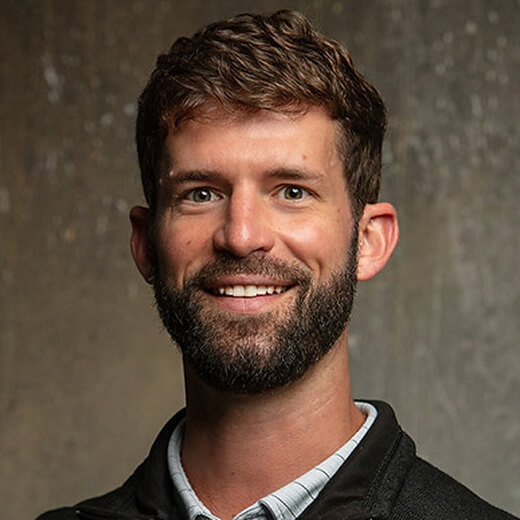
Dr. Justin Dearing
Ready to feel like you again?
* Your next step toward feeling better starts today. At The Dearing Clinic we make it simple to get started with care that truly fits your life. Book your visit now and let’s design a plan that restores your energy, relieves your pain, and helps you enjoy more of what matters most.