
How an Underfed Gut Ecosystem Can Show Up on a Brain Map
Even people who eat a healthy diet can end up with an underfed gut. When gut bacteria don't get enough plant fiber, the effects can reach the gut lining, the immune system, the skin, and the brain, and may show up as slowed activity on a brain map. Learn how it all connects and why rebuilding the gut step by step works better than cutting foods out for good.
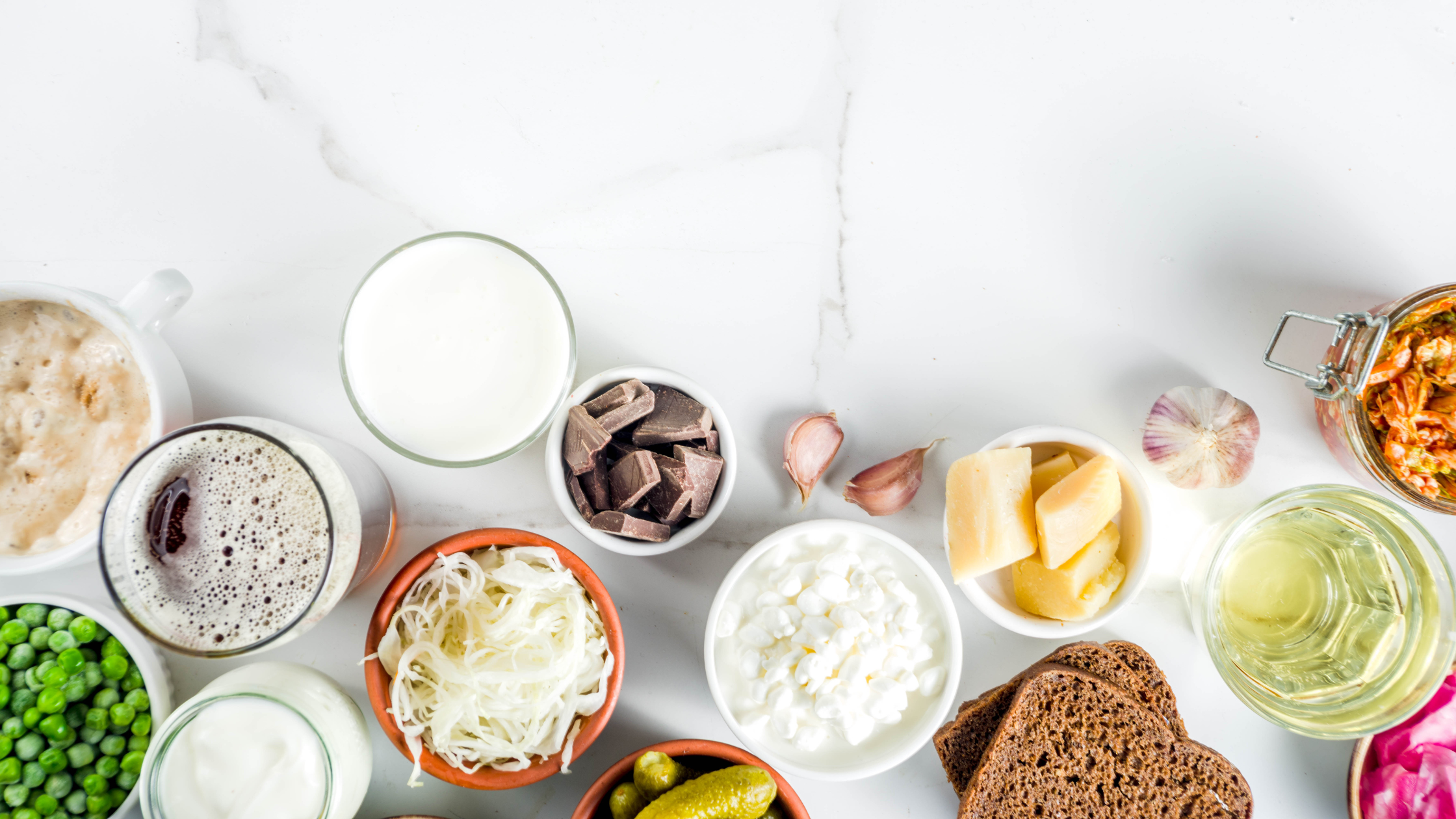

How an Underfed Gut Ecosystem Can Show Up on a Brain Map
Even people who eat well and avoid foods that bother them can end up with an underfed gut. Your gut needs many kinds of plant foods. If beans or other plant foods cause pain and bloating, the goal is to find out why and help your body handle them again. Cutting foods out for a long time keeps the gut out of balance.
Justin Dearing, DC, DACNB, FIAMA, FAARM The Dearing Clinic, Brentwood/Franklin, Tennessee
Key Points
- Gut bacteria need fermentable fiber from plant foods like beans, lentils, oats, and onions. Most Americans eat only about half the fiber they need.
- Strict diets like keto or carnivore can help as a short reset. But over the long term, they starve the bacteria that feed on fiber.
- When fiber runs low, some gut bacteria start eating the mucus layer that protects the gut lining.
- An underfed gut can affect four systems at once: the gut lining, the immune system, the skin, and the brain.
- The cingulate is a brain area that handles mood, focus, and drive. It reacts to gut signals and inflammation, and it often shows slow activity on brain maps in these patients.
- Probiotics alone cannot fix a gut that is not being fed.
- If beans or other plant foods bother you, the answer is usually to rebuild the gut step by step, not to avoid those foods forever.
Brain Fog, Low Drive, and Mood Changes With Normal Lab Results
Often, the first person to notice is not the patient. It is a spouse or a grown child. They say their loved one is not as sharp as before. Finding words takes more effort. Drive is lower. Mood is flat, or worry is higher. Yet routine lab tests come back normal.
When we test the brain and the gut in these patients, we see the same pattern again and again. The brain map shows slow activity in the cingulate cortex. This brain area handles mood, focus, drive, and signals from the gut. The gut test shows bacteria that are underfed, fewer kinds of bacteria, and strain on the gut lining.
Patients rarely describe a gut problem. They describe a life problem. The signs we see most often are brain fog and trouble finding words, low drive, worry or low mood, dizziness or trouble making sense of what they see, feeling on edge or cut off, reactions to more and more foods, tiredness that rest does not fix, and skin flares that skin treatments alone do not clear up.
Two Paths to an Underfed Gut
Some of these patients eat a lot of processed food and few plants. Others have done everything right. They follow a health plan that helped them at first. Often it is a strict diet, such as a keto or carnivore diet. Sometimes a trusted provider suggested it. Because it helped early on, they kept it up for good. These diets can work well as a short reset. But as a long-term way of eating, they cut out the plant fiber that gut bacteria need. Within days, the bacteria that feed on fiber start to decline (David et al., 2014). People with celiac disease still need to avoid gluten. That is why testing should guide which foods come back into the diet.
Whether the diet is poor or strictly “clean,” the gut can end up in the same place. And what happens in the gut does not stay in the gut.
Most patients have been treating each of these problems on its own. To see how they connect, we need to start with what fiber really does.
How Fiber Feeds Your Gut Bacteria
Most people think fiber just keeps them regular. That is only part of its job. There are two main types of fiber, and they do very different work.
Bulk fiber, like the tough outer parts of vegetables, mostly passes through the colon unchanged. It adds volume and helps keep things moving. Fermentable fiber is different. It feeds the bacteria in the colon. Good sources include beans, lentils, oats, whole grains, onions, garlic, leeks, green bananas, and potatoes and rice that have been cooked and cooled.
When bacteria ferment, or break down, this type of fiber, they make compounds called short-chain fatty acids. The main ones are butyrate, acetate, propionate, and valerate. Butyrate alone provides most of the energy for the cells that line the colon (Roediger, 1980).
Adults should get 25 to 30 grams of fiber a day. The average American gets about 15 grams (Dong and Gupta, 2019). Even people who eat lots of vegetables often fall short on the fermentable kind. A diet can be full of salad greens and still be low in the fibers that bacteria actually use.
The Fermentation Chain: How Gut Bacteria Make Short-Chain Fatty Acids
Fermentation does not happen all at once. It is a chain of steps, and different groups of bacteria handle each step.
First, some bacteria break big fiber molecules into smaller pieces. Some of these bacteria, along with others like Streptococcus and Lactobacillus, make lactate. Lactate is a middle product. In a well-fed gut, other bacteria pick up that lactate and turn it into butyrate and propionate (Duncan et al., 2004; Louis and Flint, 2017). Bacteria also pass acetate to each other, and some use it to make butyrate.
This handoff only works when there is enough fuel at the start of the chain. When fermentable fiber runs short, the early steps still happen. But the later steps run out of energy. On gut tests, we often see some butyrate and acetate being made, while propionate and valerate sit near the bottom of their ranges. The fiber-eating bacteria are there, but not in the numbers they should be, and the variety of bacteria drops.
The bacteria are there. They are not being fed. So what do hungry bacteria do? Some of them turn to the gut lining.
What Happens When Gut Bacteria Run Out of Fiber
A layer of mucus lines the colon and protects the cells under it. This mucus is made of large proteins coated with sugars, called mucins. Some gut bacteria can eat these mucins. A small amount of this is normal.
When fiber is scarce, the balance shifts. Gut bacteria that usually eat plant fiber can switch to eating the body’s own mucus instead (Sonnenburg et al., 2005). In a major study, mice fed a diet with no fiber grew gut bacteria that wore away the mucus layer in the colon. The mice also got infections more easily (Desai et al., 2016). In the same study, purified fiber products did not protect the mucus layer as well as fiber from whole plant foods.
This pattern has now been seen in people, too. A 2025 study of 330 healthy U.S. adults looked at gut bacteria genes. It compared genes for eating mucus with genes for eating plant fiber. People whose bacteria leaned more toward eating mucus had more signs of gut inflammation (Blecksmith et al., 2025).
When the mucus layer thins, bacteria and the things they make get closer to the gut lining. On testing, this often shows up as higher levels of markers that signal strain on the gut barrier, such as zonulin. We may also see markers that the lining is being broken down and rebuilt, such as MMP-9. A weaker gut lining is only the start. The effects spread well beyond the gut.
How an Underfed Gut Affects the Whole Body
Short-chain fatty acids do more than fuel the gut. They travel through the blood and act as signals all over the body. Along with the gut lining, they help keep three other systems healthy: the immune system, the skin, and the brain.
The Immune System
Most of the body’s immune cells sit just under the gut lining. These same compounds help teach those cells to stay calm. When the lining weakens and those signals drop, the immune system becomes more reactive. Short-chain fatty acids help build regulatory T cells. These immune cells keep inflammation in check (Smith et al., 2013). Propionate also travels to the liver, where it helps control blood sugar and fat (Canfora et al., 2015).
The Skin
The gut and skin share immune signals. When the immune system in the gut is on edge, it often shows up in the skin as hives, eczema, psoriasis, or yeast flares. In animal studies, a high-fiber diet protected against eczema-like skin rashes, and butyrate was a big part of why (Trompette et al., 2022). The link between the gut and the skin is well known (Salem et al., 2018).
Butyrate also calms mast cells, the immune cells that release histamine (Folkerts et al., 2020). Histamine causes hives and itching in the skin. It also acts in the brain, where it makes us more alert (Haas et al., 2008). This may help explain why skin flares and anxiety so often show up together. Lower levels of short-chain fatty acids have also been linked to more Candida yeast growth in the gut (Guinan et al., 2019). Valerate, the last product in the fermentation chain, calms inflammation much like butyrate does (Yuille et al., 2018).
The Brain
These compounds help control the brain’s immune cells. They also help protect the wall between the brain and the blood. When gut signals lean toward inflammation, brain areas that use a lot of energy, like the cingulate, are among the first to feel it.
Short-chain fatty acids are one of the main ways gut bacteria talk to the brain (Dalile et al., 2019). In animal studies, they help control microglia, the brain’s own immune cells. Mice with no gut bacteria have microglia that do not work well, and short-chain fatty acids fix them (Erny et al., 2015). Gut bacteria also affect how strong the wall between the brain and the blood is (Braniste et al., 2014). Acetate made from fiber can travel straight to the brain (Frost et al., 2014). One brain area is especially sensitive to these gut signals.
Why an Underfed Gut Shows Up on a Brain Map: The Cingulate Cortex
The cingulate cortex runs from front to back along the middle of the brain. Its back section uses more energy at rest than most other parts of the brain (Raichle et al., 2001). Brain areas that use a lot of energy are often the first to struggle when energy runs low or inflammation rises.
The cingulate is also one of the main brain areas that handles signals from the gut. When the body is inflamed, parts of the cingulate react more strongly to those signals (Benson et al., 2023). Large genetic studies suggest that gut problems and changes in the cingulate affect each other in both directions. Anxiety and depression did not explain this link (Xu et al., 2024).
Inflammation can change this area directly. In one study, healthy volunteers got a shot that caused mild inflammation. The front of their cingulate changed, and those changes matched drops in their mood (Harrison et al., 2009).
What Each Part of the Cingulate Does
Different parts of the cingulate do different jobs. When a brain map shows slowing, the location helps explain what patients and families notice.
The front and lower cingulate helps control mood. This area has been linked to depression for decades (Drevets et al., 1997), and it reacts to inflammation (Harrison et al., 2009). Patients with changes here often describe low mood, flatness, or irritability.
The upper front cingulate (called the dorsal anterior cingulate) helps us pay attention and notice when something is wrong. It works with nearby areas to handle threat, discomfort, and the need to change course (Shackman et al., 2011). When this area is strained, people may feel on edge or unable to settle.
The middle cingulate (called the midcingulate cortex) is closely tied to effort and drive. When surgeons stimulated this area in patients who were awake, the patients said they felt they could push through a challenge (Parvizi et al., 2013). Adults with stronger connections in this area stick with their goals more (Touroutoglou et al., 2020). This area also plays a role in anxiety (Shackman et al., 2011). Patients with changes here often say they have lost their get-up-and-go, feel more anxious, or find it harder to start everyday tasks.
The back of the cingulate and the precuneus (a nearby area) help us keep track of where we are in space and keep a sense of self (Cavanna and Trimble, 2006). Patients with changes here often describe dizziness, trouble making sense of what they see, always feeling on high alert, or feeling spacey and cut off from their body. Brain scans of people who often feel that things are not real have shown changes in nearby areas that process the senses (Simeon et al., 2000).
What COVID Research Shows About Inflammation and the Brain
COVID gave researchers a way to study what happens to the brain after a known immune event, like an infection.
In 2021, researchers described two adults who were healthy before COVID. After the infection, both had brain fog and memory problems. Their brain MRIs looked normal. But PET scans, which show how much energy brain tissue is using, found lower activity in the cingulate. Both patients had high inflammation markers while they were sick. The authors suggested that delayed inflammation in the brain may have been the cause (Hugon et al., 2022).
In 2026, a Mayo Clinic study looked at 40 people with long COVID. This means symptoms that last long after the infection ends. Their brains used less energy for up to two years after they got sick. This was most true in people whose tiredness got worse after activity. Most people in the study had health problems before COVID. Gut problems were among the most common, in 43 percent. Thyroid problems were found in 25 percent (Ganesh et al., 2026).
Another 2026 study looked at people who had been in the hospital with COVID. Those with thinner tissue in the cingulate had worse tiredness afterward (Hartung et al., 2026).
Taken together, these studies show three things. An immune event can leave lasting changes in how the brain uses energy. The cingulate is one of the areas affected. And people who already had gut or thyroid problems are common among those who struggle afterward.
How to Rebuild an Underfed Gut
The good news is that an underfed gut can be rebuilt. But the path is not always what people expect.
Why the Foods Your Gut Needs Most Can Cause Bloating
We have reviewed thousands of gut tests, and one pattern keeps coming up. The foods that best feed the fermentation chain, like beans, lentils, and other high-fiber foods, are often the foods our patients say they cannot handle. They cause gas, bloating, and pain.
This does not mean fiber is the problem. It means the gut is not ready for it yet. An inflamed gut with a thin mucus layer and a weak fermentation chain cannot handle a lot of fiber at once. Adding too much too fast often makes symptoms worse. Then patients decide that fiber is bad for them.
That is why we rebuild the gut in stages. First, we calm inflammation and support the gut lining. Then we slowly add fermentable fiber back, starting with the gentlest foods. Over time, we add more kinds of plant foods to rebuild variety. Probiotics and targeted plant medicines may help at each stage. But they work alongside food, not in place of it.
Why a Probiotic Alone Cannot Fix an Underfed Gut
A healthy adult gut is like a grown rainforest. Every space is filled, and the bacteria already living there push back against newcomers (Lewandowski, 2026). This is why most probiotic strains pass through the gut instead of settling in for good.
Research on gut stability backs this up. In one study, people with many kinds of gut bacteria stayed stable when their fiber intake changed. People with fewer kinds had big swings (Tap et al., 2015). Even fecal transplants, which move a whole gut community from a donor, are shaped mostly by the gut they land in (Schmidt et al., 2022).
Probiotics can help in some cases. But a capsule cannot replace the food that gut bacteria live on. If they are starving, adding new bacteria does not fix the food shortage.
Testing the Gut and Brain Together: qEEG Brain Maps and Microbiome Tests
Because the gut, the immune system, and the brain affect each other, we measure all three. A qEEG brain map shows how different parts of the brain are working. A full gut microbiome test shows which bacteria are there, how well they are fermenting fiber, and whether the gut lining is under strain. Together, these tests give us a starting point and a way to track change over time.
When patients start brain, immune, and gut care, families are often the first to notice changes in sharpness and drive. We repeat testing to see whether the brain map and gut markers change together. Results vary from person to person, and early changes are one part of a longer process.
Evidence note. Strong research in people and animals shows that short-chain fatty acids matter for the gut lining, the immune system, and signals to the brain. The cingulate’s role in handling gut signals, and how it reacts to inflammation, are also well known. The link between one patient’s gut results and their brain map is a pattern we see in our clinic and track over time. It is not proven to be the cause in any one person.
Frequently Asked Questions
1. How do I know if my gut is underfed?
Symptoms alone cannot tell you for sure. Common signs include bloating from plant foods, a growing list of foods that bother you, brain fog, low drive, and skin flares. A full gut microbiome test can show which bacteria are there, how well they ferment fiber, and whether the gut lining is under strain.
2. I eat a lot of salad. Isn’t that enough fiber?
Not always. Salad greens mostly give bulk fiber, which helps keep things moving but does little to feed gut bacteria. The fiber bacteria need most comes from foods like beans, lentils, oats, whole grains, onions, garlic, leeks, green bananas, and potatoes and rice that have been cooked and cooled.
3. Is a keto or carnivore diet bad for my gut?
These diets can help some people as a short reset. The concern is staying on them for a long time, because they remove the plant fiber gut bacteria need. Studies show gut bacteria start to shift within days of a diet change. If a provider put you on a diet for a medical reason, talk with them before making changes.
4. Beans make me bloated. Should I just avoid them?
Bloating usually means your gut is not ready for that fiber yet, not that fiber is bad for you. Avoiding it long term keeps the gut underfed. A better plan is to calm inflammation first, then add fiber back slowly, starting with the gentlest foods. If you have celiac disease or a true food allergy, some foods must stay off the menu. Testing helps sort this out.
5. Can I just take a probiotic or a fiber supplement?
Probiotics can help in some cases, but most strains pass through the gut instead of settling in. They cannot replace the food your gut bacteria live on. In one animal study, purified fiber did not protect the gut lining as well as fiber from whole plant foods. Whole foods come first.
6. What is a qEEG brain map?
A qEEG records the brain’s electrical activity using sensors placed on the scalp. It is painless and does not use radiation. It shows how different parts of the brain are working, including the cingulate.
7. Can gut problems really affect my mood, focus, and memory?
Research shows that gut bacteria send signals to the brain and that the cingulate reacts to gut signals and inflammation. In our clinic, we often see gut test findings and brain map findings show up together. But this link is not proven to be the cause in any one person, which is why we test both.
8. How long does it take to rebuild the gut?
It is different for everyone. Gut bacteria can start to shift within days of a diet change, but rebuilding tolerance and variety happens in stages. It is a process, not a quick fix. We repeat testing to track how the gut and brain respond over time.
Where to Start
If you or someone you love has noticed changes in sharpness, drive, mood, or focus, and routine tests have not explained why, the Neurocellular Discovery Assessment is the first step. We measure how your brain, gut, and immune system are working together. Then we build a plan based on what we find.

Dr. Justin Dearing
Ready to feel like you again?
* Your next step toward feeling better starts today. At The Dearing Clinic we make it simple to get started with care that truly fits your life. Book your visit now and let’s design a plan that restores your energy, relieves your pain, and helps you enjoy more of what matters most.