
Protein, Gut Health & Fasting: Your Fall Prep Guide
We’re all told to eat more protein, but protein you can’t digest feeds inflammation instead of muscle. This fall, learn why digestion comes first, how fasting switches on your body’s cleanup crew, which seasonal foods support your gut and lungs, and a simple plan to prepare before the holidays and reset after them.
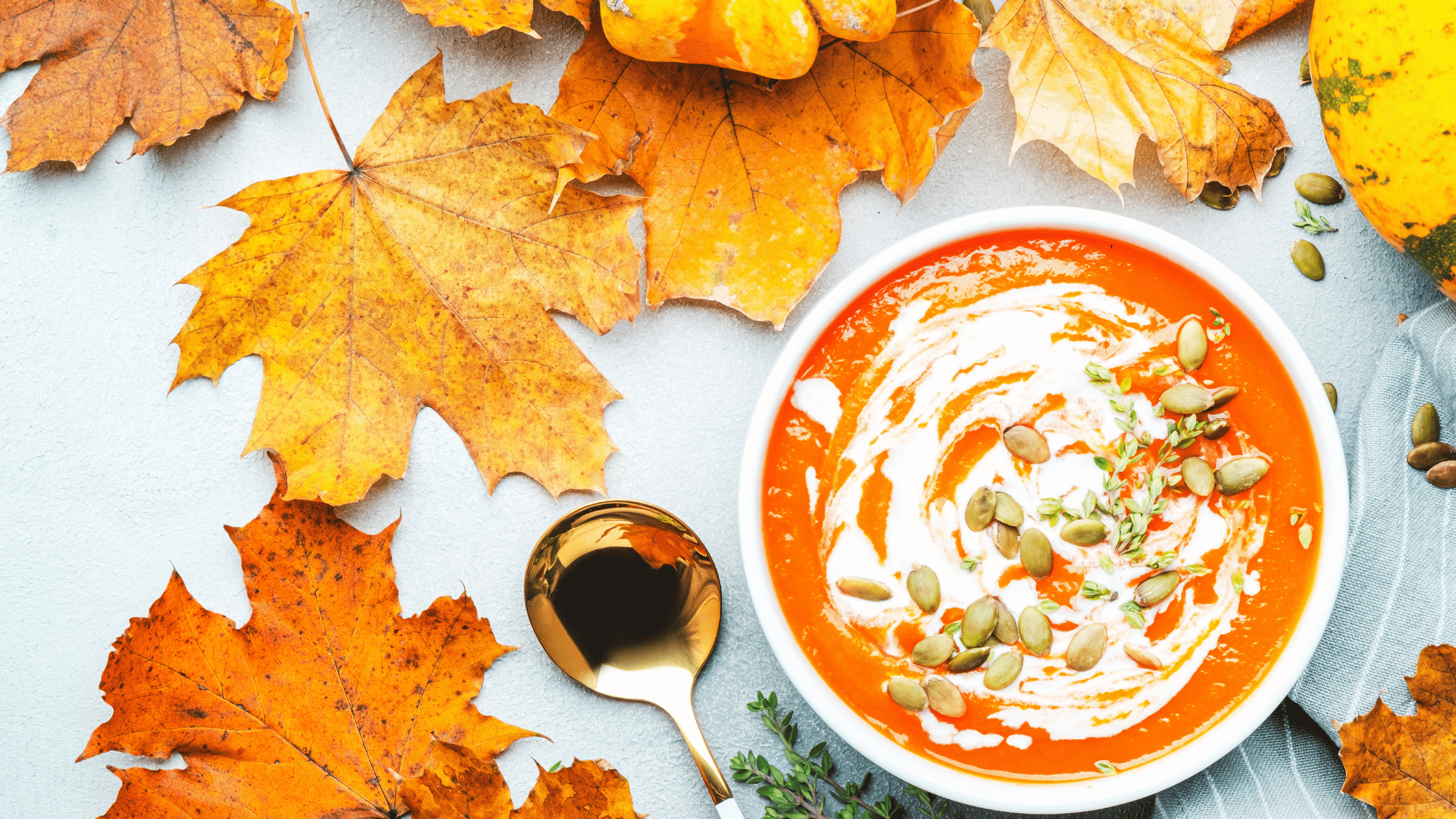

Fall Prep: Protein, Digestion, and Fasting Before the Holidays
Fall is the season of harvest and preparation. Leaves drop, sap moves down into the roots, and nature pulls its energy inward to get ready for winter. It is a good time for us to do the same, because the next three months bring the heaviest eating stretch of the year: Halloween candy, Thanksgiving dinner, holiday parties, and New Year's celebrations.
In our article on fiber, we looked at how it feeds the healthy bacteria in your gut. Here, we look at the other half of gut health: protein. We are all told to eat more of it. But protein only helps if your gut can digest it, and if it can't, protein can quietly feed inflammation instead of muscle. We also look at how intermittent fasting helps your cells clean house before the holidays.
In this article, we cover:
- Why fall is traditionally called the season of the lungs and colon
- How much protein you need per day, and why it is only as good as your digestion
- How your body's cleanup crew (autophagy) works, and how intermittent fasting switches it on
- The best fall foods for gut health
- A simple fall plan to prepare before the holidays and reset after them
Key points
- Protein only helps if you can digest it. Undigested protein rots in the colon and feeds inflammation instead of muscle.
- Fix digestion first. Stomach acid, enzymes, a healthy gut lining, and plenty of fiber all help protein reach your muscles.
- One palmful per meal covers most people. Aim for two palmfuls if you are building muscle, and pair protein with strength training.
- Intermittent fasting helps your cells clean house. A 12-hour overnight fast is an easy, safe place to start for most people.
- Eat for gut health this season. Fermented foods, garlic and onions, fiber-rich produce, and slow-cooked soups support your gut and lungs.
- Prepare, hold, reset. Get ready now, hold steady through the holidays, and reset in January.
Fall is lung and colon season
In traditional Chinese medicine, each season is linked to a pair of organs. Fall belongs to the lungs and the colon. Both are about taking in what we need and letting go of what we don't. The lungs take in air and release what the body no longer needs. The colon does the same with food. In this tradition, fall is a time to gather inward, organize, and prepare for winter.
It might sound like old wisdom only. But modern science has found a real connection between these two organs, called the gut–lung axis. The bacteria in your colon make compounds that travel through the blood and help train the immune system, including the immune defenses in your lungs. A healthy colon helps you fight off the colds and flu that arrive every fall and winter.
Breath, grief, and letting go
The traditional view also links the lungs and fall with grief. That rings true for many people, because the holidays can bring up loss, loneliness, and stress. Long, slow breathing is one of the simplest tools for this. It calms the nervous system and helps the body shift out of "fight or flight." That shift matters for your gut too, because digestion slows down when you are stressed.
In both the lungs and the gut, health depends on letting go of what you no longer need. For the colon, that job depends on what you send it.
From the lungs back to the colon
The colon can only do its job well when the right material arrives. Fiber feeds the helpful bacteria there and keeps things moving. Undigested protein does the opposite. It sits, ferments, and turns into irritating byproducts that inflame the very gut lining that trains your immune system for cold and flu season.
And that is where many modern diets, especially high-protein ones, quietly go wrong.
Protein is only as good as your digestion
We are all told to eat more protein. Gyms, podcasts, and longevity experts push 150, 200, even 250 grams a day. Most adults, especially older adults, do eat too little protein. But here is what almost nobody talks about: protein you can't digest doesn't build muscle. It feeds inflammation.
How protein is supposed to work
Protein is like a long chain of beads. Your body has to cut that chain into single beads, the amino acids, before it can use them. That takes three steps:
- Stomach acid unfolds the protein and starts cutting.
- Pancreas enzymes cut it into smaller pieces.
- A healthy gut lining pulls those pieces into your blood.
If any step is weak, protein slips through undigested. Each step often weakens with age, stress, gut damage, and common acid-blocking medicines.
What happens to protein you can't digest
Undigested protein travels down to the colon. Protein is not supposed to arrive there in large amounts. Certain bacteria feed on it and break it down by rotting, or fermenting, it. That process makes harmful byproducts:
- p-cresol (also called 4-cresol), which the liver turns into p-cresyl sulfate, a toxin that strains the kidneys and blood vessels
- Ammonia, which irritates the gut lining
- Hydrogen sulfide, a sulfur gas that, in excess, damages gut cells and gives gas its rotten-egg smell
These byproducts weaken the gut wall even more. That lets more inflammation into the body, which makes digestion worse. It becomes a cycle. Common signs include bloating, heaviness after meals, foul-smelling gas, and constipation, especially after protein shakes or big portions of meat.
Protein is not neutral. Some of the amino acids in protein contain sulfur, and early research suggests too much of them may work against healthy aging. In people, high levels have been linked to a shorter life. In a 2026 mouse study that has not yet been peer-reviewed, lowering one of them, cysteine, improved health in older mice. Pushing ever-larger amounts of protein into a gut that cannot process them can add to the inflammatory load we are trying to reduce.
Where fiber comes in
Fiber is the other half of this story. Colon bacteria ferment whatever reaches them. When they get plenty of fiber, they make helpful compounds called short-chain fatty acids, which feed and heal the gut lining. When fiber is scarce and undigested protein shows up instead, they ferment protein and make p-cresol and ammonia.
So the fix works from both ends: digest protein well upstream, and feed fiber downstream.
What the 100-gram study doesn't tell you
A well-known 2023 study found that 100 grams of protein after a workout built more muscle, for longer, than 25 grams. It disproved the old myth that your body can only use 30 grams at a time.
But the people in that study were healthy young men with strong digestion. The researchers themselves warned that people with health problems may not respond the same way. Those are the people we see every day.
Eating lots of protein but still losing muscle?
In our practice, we see this all the time: a patient eating 150 grams or more of protein a day, often from shakes, who is still losing muscle on their scans and feels worse, not better.
The answer is almost never more protein. It is fixing digestion first. When we restore stomach acid, enzyme function, the gut lining, and healthy bacteria, protein gets digested and absorbed where it belongs. It reaches the muscle instead of rotting in the colon. Then the same amount of protein, or even less, does far more good.
How much protein do you need per day?
The research is clearer than social media suggests.
Daily protein needs, with amounts shown for a 170-lb person:
- Basic adult minimum: about 0.36 g per pound, or about 60 g a day. At each meal: about 20 g, one palm-sized portion, like a hamburger patty.
- Healthy adults over 65: about 0.45–0.55 g per pound, or about 75–95 g a day. At each meal: about 25–30 g, one generous palmful.
- Active older adults: about 0.55 g per pound or more, or about 95 g or more a day. At each meal: about 30 g or more, one to one and a half palmfuls.
- Older adults who are ill: about 0.55–0.7 g per pound, or about 95–120 g a day. At each meal: about 30–40 g, about one and a half palmfuls.
- Exercising and building muscle: about 0.7 g per pound, where gains level off, or about 120 g a day. At each meal: about 40 g, two palmfuls, each about the size of a deck of cards.
An easy rule of thumb: one palm-sized portion of protein at each meal covers most people. A palmful is about the size and thickness of your palm, roughly a deck of cards. That could be a hamburger patty, a chicken breast, a piece of fish, or a cup of Greek yogurt.
If you are exercising and building muscle, aim for about two palmfuls per meal. When you are training hard, your appetite should naturally rise to meet that. If two palmfuls leave you bloated, heavy, or uncomfortable, that is a sign to look at your digestion before adding more. (Ranges based on the PROT-AGE recommendations and sports nutrition research.)
The popular "one gram per pound" rule is more than most research supports, and it is far more than many guts can handle.
Protein needs a job to do
Even perfectly digested protein does little on its own. Protein is the building material. Exercise is the order to build. Without that order, the material mostly gets burned for energy or stored.
So the formula is: digestible protein, plus regular strength training, plus measuring to see if it is working.
But building is only half of how your body stays healthy. The other half is cleanup. Your body also needs regular breaks from food, so it can clear out worn-out parts and make room for new ones. That might sound like it conflicts with eating enough protein. It doesn't. The goal is to eat well during meals and rest well between them.
Autophagy: your body's cleanup crew
Every day, parts inside your cells wear out. Proteins get bent out of shape. The tiny power plants in your cells, called mitochondria, get damaged. If this junk piles up, cells work worse and age faster.
Your body has a built-in cleanup crew for this. It is called autophagy, which means "self-eating." Cells wrap up damaged parts, break them down, and recycle the pieces into new, working parts. It's like a city's recycling program running inside every cell. The scientist who uncovered how it works, Yoshinori Ohsumi, won the 2016 Nobel Prize in Medicine.
Fall is a fitting season for this idea. Just as trees let go of their leaves, your cells need regular times to let go of what they no longer need.
Build mode vs. cleanup mode
Your cells constantly check how much food is coming in.
- When food is plentiful, cells switch into build mode. They grow and store energy. The cleanup crew mostly takes a break.
- When food is scarce, cells switch into cleanup mode. Autophagy ramps up, and old parts get recycled.
Both modes are healthy. The problem is balance. Most of us eat from morning until late at night, with snacks in between. Our cells stay stuck in build mode, and the cleanup crew rarely gets a full shift. Over years, cell junk builds up. That buildup is linked to many diseases of aging, including memory loss, heart disease, and muscle decline. Fasting, exercise, and good sleep all help switch cleanup mode back on.
What science knows, and doesn't, yet
It is important to be honest here. Much of what we know about autophagy comes from cells, yeast, and animal studies. Fasting clearly turns it up in animals. In people, autophagy is very hard to measure directly, so we don't yet know exactly how many hours of fasting it takes. Popular claims like "autophagy starts at exactly 16 hours" go beyond the evidence.
What we do know is that eating patterns with regular breaks from food improve many things we can measure in people, like blood sugar, insulin, blood pressure, and body fat. That is why we measure results instead of guessing.
Intermittent fasting strategies: pick the right one
Fasting is not one thing. Intermittent fasting covers several ways to give your cells a break from food, from gentle to advanced.
- 12-hour overnight fast: Stop eating after dinner and eat breakfast 12 hours later. Best for: everyone; the easiest starting point.
- Time-restricted eating (14:10 or 16:8): Eat all meals within a 10- or 8-hour window each day. Best for: people ready for a daily routine.
- Early time-restricted eating: Eat earlier in the day, finishing by mid-afternoon or early evening. Best for: better blood sugar; matches the body clock.
- Short vegetable-and-fruit fast: One to a few days of light, plant-only eating, once a season. Best for: a gentle seasonal reset for people who are not frail.
- Fasting-mimicking diet: 5 days of a low-calorie, plant-based plan, then normal eating. Best for: a periodic "reset" done a few times a year.
- 24-hour fast: Dinner to dinner, once a week or less. Best for: experienced fasters with guidance.
Why gentle fasting beats extreme cleanses
Traditional wisdom and modern experience agree here. Harsh cleanses and extreme fasts often backfire: when the body is pushed too hard, people tend to rebound into heavier eating than before. Slow, steady change lasts. That matters even more in a season packed with feasts.
Fasting the smart way
- Protect your muscle. Fasting without strength training can burn muscle along with fat. Keep lifting, and eat enough protein during your eating window.
- Fix digestion first. If your gut is inflamed, longer fasts and big "break-fast" meals can make symptoms worse. A healthy gut handles both fasting and refeeding better.
- Measure, don't guess. An InBody scan shows whether you are losing fat or muscle. A PNOE breath test shows whether your body is getting better at burning fat.
Who should not fast without medical guidance
Fasting is not right for everyone. Talk with your clinician first if you:
- Have diabetes or take medicine that lowers blood sugar
- Are pregnant or breastfeeding
- Have a history of an eating disorder
- Are underweight, frail, or recovering from illness
- Have kidney disease or take medicines that must be taken with food
- Are a teen or young athlete still growing
Best fall foods for gut health
Fasting tells your body when to rest. What you eat in between tells it what to rebuild with. When it comes to gut health, traditional fall eating and modern science point to many of the same foods.
- Fermented and sour (sauerkraut, kimchi, pickles, plain yogurt, kefir, apple cider vinegar): Add helpful bacteria. In a 2021 Stanford study, a diet high in fermented foods raised gut bacteria diversity and lowered inflammation markers.
- White and pungent (garlic, onions, leeks, radish, daikon, cabbage, horseradish): Contain plant sulfur compounds that support the gut and immune system.
- Fiber-rich fall produce (apples, pears, oats, beans, root vegetables): Feed the good bacteria that keep protein from rotting in the colon.
- Orange and dark green (pumpkin, winter squash, carrots, sweet potatoes, kale, broccoli): Rich in beta-carotene and other nutrients that protect the lining of the lungs and gut.
- Soothing seeds (ground flaxseed): Gentle fiber that coats and soothes the gut.
A quick note on sulfur: the sulfur compounds in garlic, onions, and cabbage are different from the sulfur-containing amino acids in protein. Plant sulfur compounds are a healthy part of a fall diet.
Another note: get beta-carotene from food, not pills. In two large studies, beta-carotene supplements actually increased lung cancer in smokers. Whole vegetables did not carry that risk.
How to cook for fall
Fall is the season for soups, stews, and slow cooking. Cooking at lower heat for longer makes food easier to digest, which is exactly what a stressed gut needs. A pot of vegetable soup with garlic, onions, carrots, and squash covers almost every row of the table above.
Your fall plan: prepare, hold, reset
The holidays don't have to undo a year of progress. Think of the season in three phases.
Prepare (now through mid-November). Calm your gut before rich holiday food arrives. Add a fermented food daily, plus soups and fiber-rich produce. Start a 12-hour overnight fast, and lift two to three times a week with extra focus on the legs. Get your InBody and PNOE baseline now.
Hold the line (Thanksgiving through New Year's). Go light with simple, plant-focused meals a day or two before a feast, but don't skip meals on the feast day itself. Keep your overnight fast, eat protein and vegetables first, and walk 10 to 15 minutes after big meals.
Reset (January). Step up your fasting, retest your numbers, and adjust based on data, not on how your jeans fit after the holidays.
Frequently asked questions
1. Do I need protein shakes to get enough protein?
Usually not. One palm-sized portion of whole-food protein at each meal covers most people. Shakes can help if your appetite is low, but if they leave you bloated or gassy, that is a sign to look at your digestion first.
2. Why do protein shakes make me bloated?
Bloating, heaviness after meals, foul-smelling gas, and constipation after a shake or a big portion of meat are common signs that protein is not being fully digested. Another clue is losing muscle on your scans even though you eat plenty of protein. If this sounds familiar, talk with your clinician about fixing digestion first.
3. Will fasting make me lose muscle?
It can if you stop strength training or don't eat enough protein during your eating window. Keep lifting, eat a palmful of protein at each meal, and use an InBody scan to check that you are losing fat, not muscle.
4. How long do I need to fast to turn on autophagy?
No one knows the exact number of hours in people yet. Claims like "autophagy starts at 16 hours" go beyond the evidence. A 12-hour overnight fast is a good, safe place to start.
5. Is intermittent fasting good for gut health?
It can be. Regular breaks from food give your gut and your cells time to rest and clean house. But if your gut is already inflamed, long fasts and big "break-fast" meals can make symptoms worse. Start with a 12-hour overnight fast, and fix digestion first.
6. Should I skip meals on Thanksgiving to save room?
No. Skipping meals on a feast day often leads to overeating later. Instead, eat light, plant-focused meals a day or two before. On the day itself, eat normally, fill up on protein and vegetables first, and take a 10- to 15-minute walk after the big meal.
7. Is the sulfur in garlic and onions the same as the sulfur in protein?
No. The sulfur compounds in garlic, onions, and cabbage are different from the sulfur-containing amino acids in protein. Plant sulfur compounds are a healthy part of a fall diet.
8. Can I take beta-carotene pills instead of eating vegetables?
We don't recommend it. In two large studies, beta-carotene supplements increased lung cancer in smokers. Orange and dark green vegetables give you beta-carotene without that risk.
The bottom line on protein, digestion, and fasting
Fall is a season of letting go and getting ready. For your body, that means three things: digest your protein well, feed your gut the fiber and fermented foods it needs, and give your cells regular breaks to clean house. Do that now, and you will walk into the holidays stronger and come out of them with less to undo.
Want to know where you stand? Book an InBody scan and PNOE breath test at The Dearing Clinic to get your fall baseline, then retest in January to see exactly what changed.
Up next in this series: why muscle, and especially leg strength, is one of the best predictors of a sharp brain as you age.
This article is for education only and does not replace personal medical advice. Talk with your clinician before starting any fasting plan or changing your diet, protein intake, or exercise routine.
Sources
- Bauer et al., PROT-AGE protein recommendations for older adults (2013)
- Trommelen et al., 100 g vs 25 g protein after exercise, Cell Reports Medicine (2023)
- Summary of the Trommelen study's limits, NutraIngredients (2024)
- Sulfur amino acids and aging: cysteine reduction study (bioRxiv preprint, 2026)
- Morton et al., protein and muscle gains review, British Journal of Sports Medicine (2018)
- Wastyk et al., fermented food diet and gut microbiome, Cell (2021)
- ATBC (1994) and CARET (1996) trials of beta-carotene supplements in smokers
- Nobel Prize in Physiology or Medicine 2016, Yoshinori Ohsumi, for discoveries of the mechanisms of autophagy

Dr. Justin Dearing
Ready to feel like you again?
* Your next step toward feeling better starts today. At The Dearing Clinic we make it simple to get started with care that truly fits your life. Book your visit now and let’s design a plan that restores your energy, relieves your pain, and helps you enjoy more of what matters most.